Why Irvington Still Feels Different
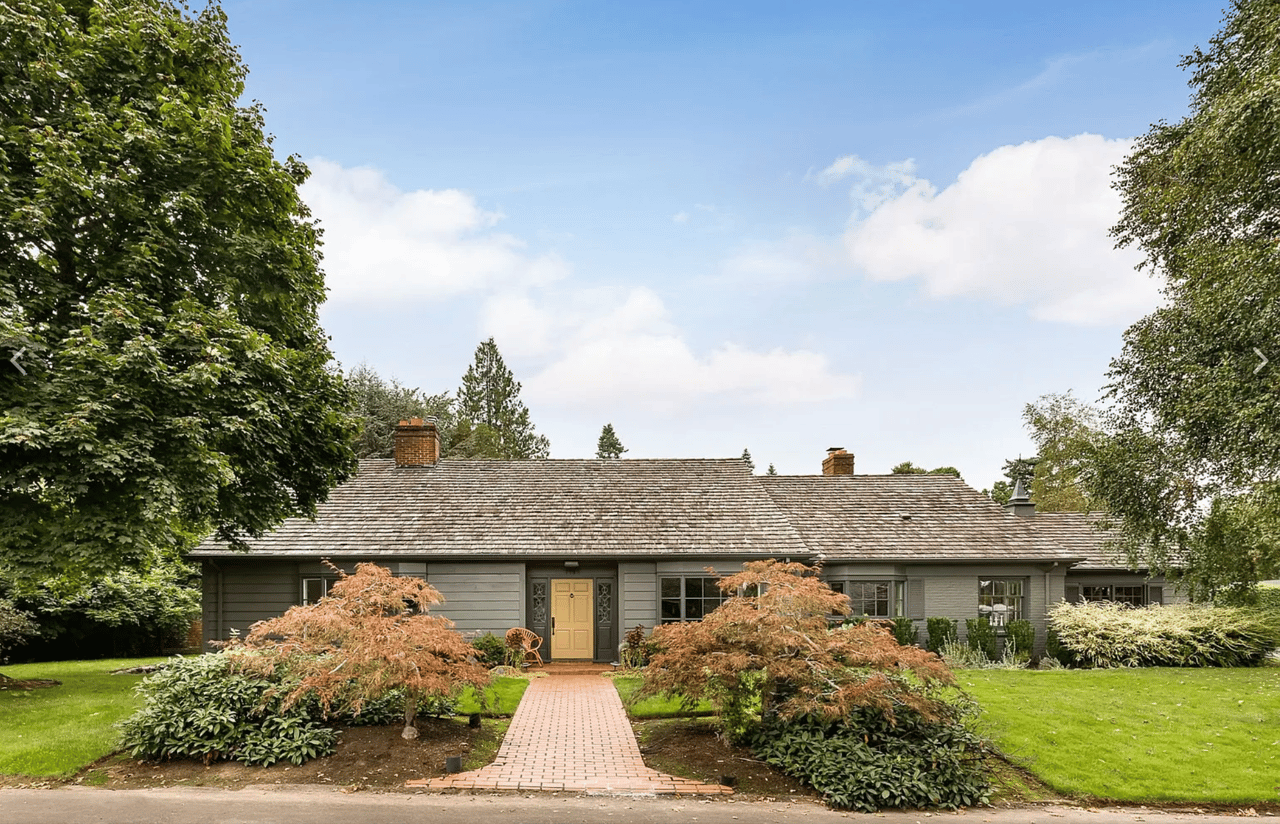
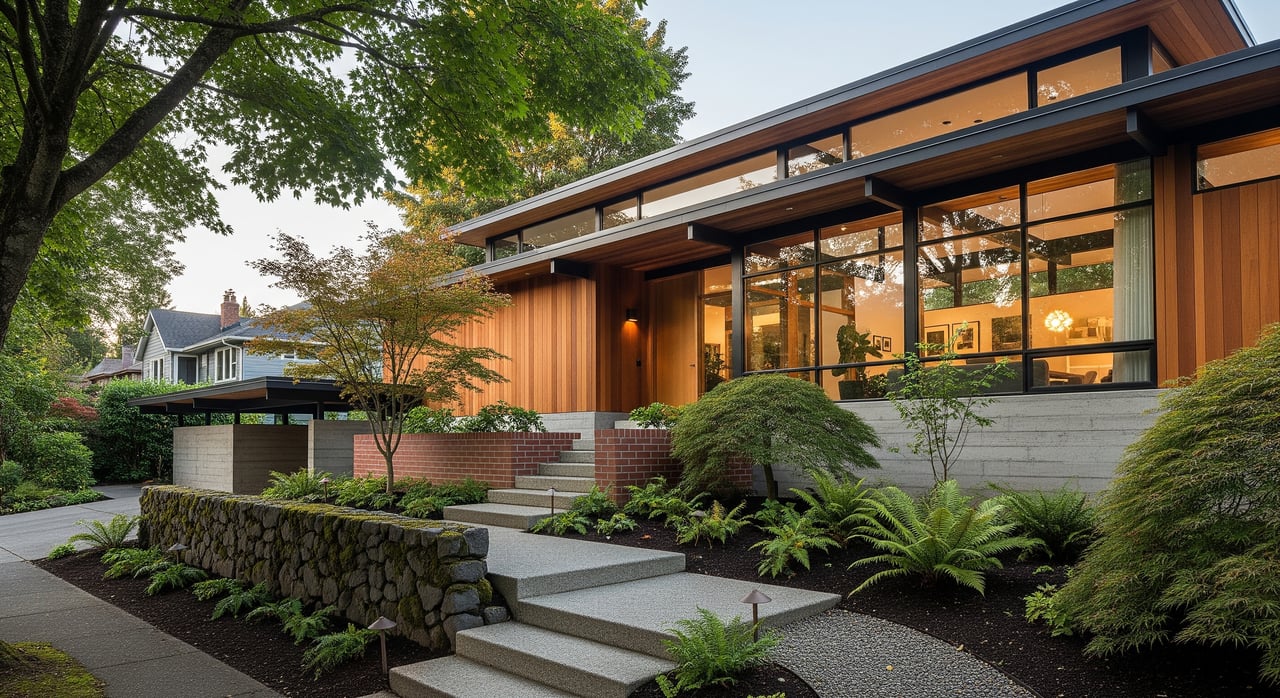
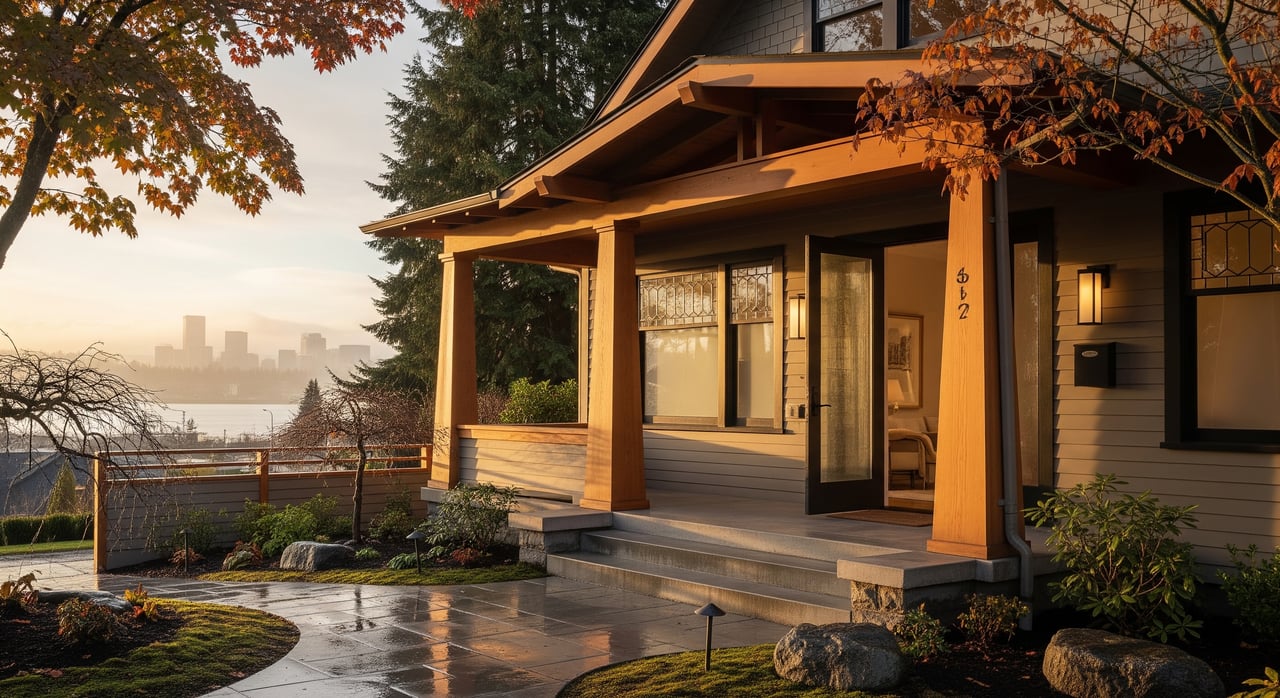
Walk through Irvington today and there’s a noticeable consistency.
The homes feel cohesive. Streets feel established. The neighborhood holds together in a way that feels intentional.
That isn’t accidental.
Irvington’s story begins early — in 1849, when Captain William Irving purchased Portland’s original townsite. Over the following decades, the land passed through the Irving family before being sold to investors in 1882 and formally named Irvington in 1887.
Development didn’t happen all at once.
Like much of Portland, Irvington experienced pauses — particularly during the economic downturn of the 1890s. But when growth resumed, it did so with direction.
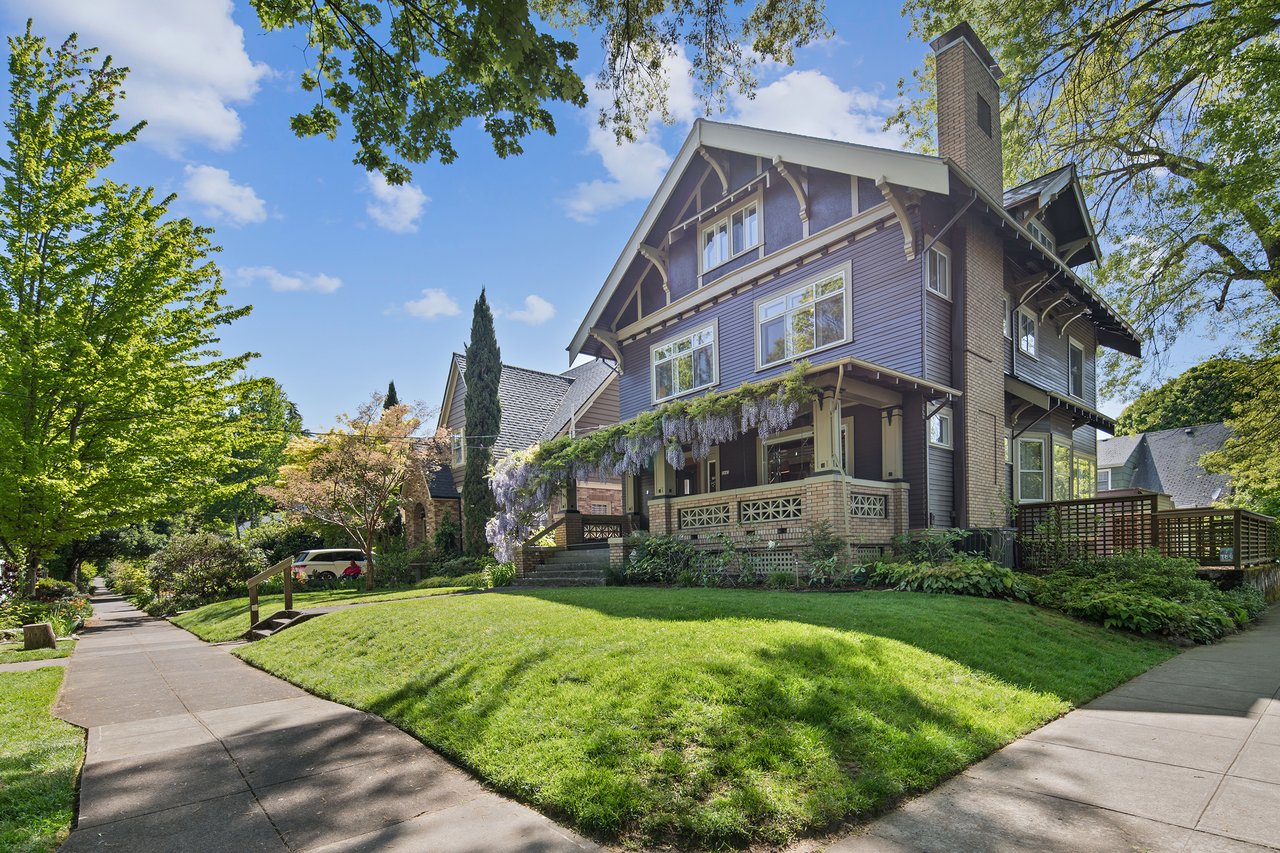
As Portland expanded, Irvington began to take on its defining character. Architects and builders introduced Craftsman Foursquare homes, a style known for its symmetry, proportion, and livability.
Unlike neighborhoods that evolve without a clear identity, Irvington developed with a level of consistency that still defines it today.
That consistency is part of why the neighborhood feels stable — even as the city around it has changed.
At Portland Modern, this is the kind of history we pay attention to — not just what was built, but why it worked.