Love the clean lines, big windows, and indoor-outdoor flow of midcentury homes, but not sure how to spot the real thing in Northeast Portland? You are not alone. Whether you are browsing listings or planning a refresh, understanding the look, feel, and upkeep of these homes can save you time and money. This guide gives you the quick visual cues, common upgrades, and local rules that shape value in NE Portland’s modern and midcentury market. Let’s dive in.
Where these homes show up
Northeast Portland blends pre-war streets with postwar pockets, so you will see bungalows next to 1950s ranches and 1960s split-levels. Postwar-era homes often cluster where larger lots were subdivided after WWII or in neighborhoods that expanded during the 1940s through the 1960s. Inner areas show more infill, while peripheral streets lean suburban in feel with ranches and low profiles. Preservation interest is strong, and groups like Restore Oregon and the City of Portland’s planning and historic resources provide context for what is notable and how change happens.
How to spot the style
You can identify most modern and midcentury homes from the street in a few seconds. Look for low, horizontal forms, broad eaves, and generous glass. Interiors favor open living areas and easy access to outdoor space.
Plans and massing
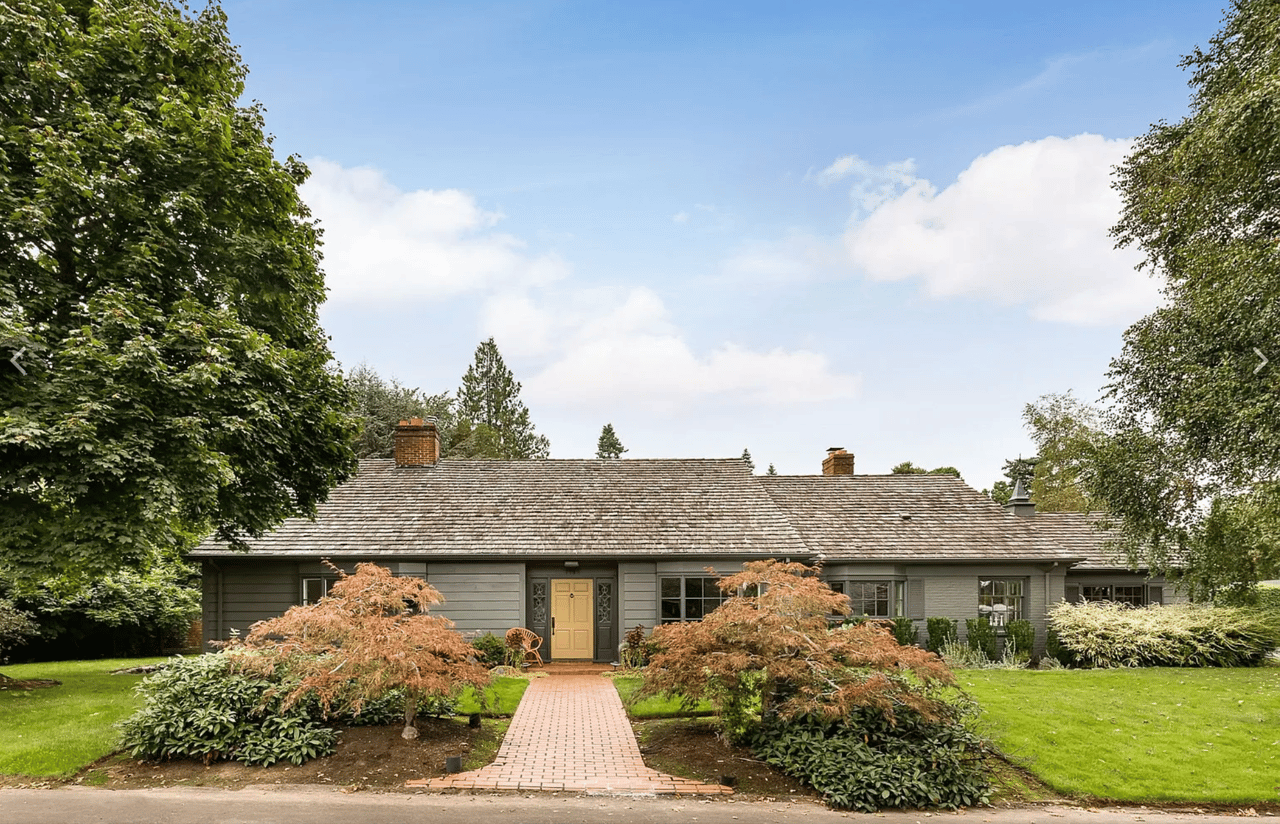
- Ranch: Single story, long and low, often rectangular or L-shaped with an attached garage or carport.
- Split-level: Short flights separate living, sleeping, and family spaces for efficient square footage.
- Post-and-beam: Exposed structure, open interiors, and simple volumes that read as modern.
Rooflines and windows
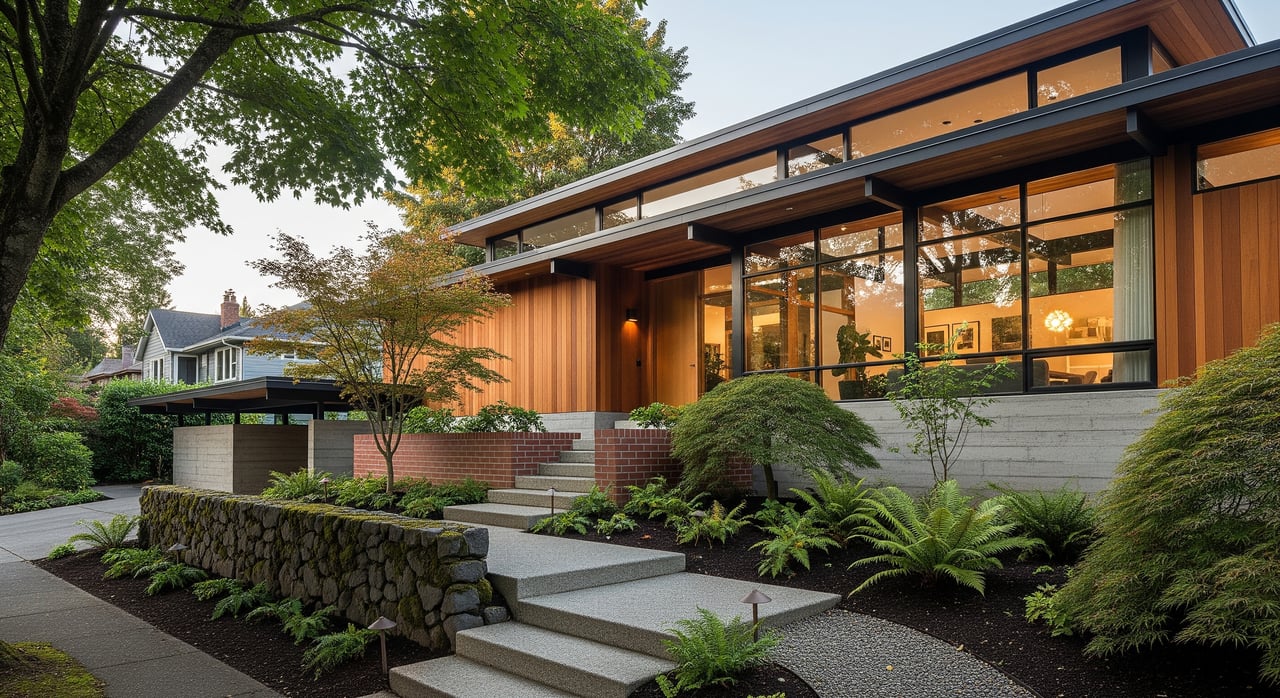
- Low-pitch or shallow-gable roofs with wide overhangs and simple fascia.
- Large picture windows and horizontal bands of glass for daylight and views.
- Clerestory or ribbon windows in higher-end contemporaries, plus sliding doors to patios and decks.
Interiors and materials
- Open living-dining-kitchen flow that feels less formal than pre-war plans.
- Original layouts are often 2–3 bedrooms and 1–2 baths, with later expansions common.
- Finishes may include hardwood floors, tongue-and-groove ceilings, exposed beams, brick or stone veneer accents, and period laminate.
Key vocabulary
Use these terms when reading listings or talking with your inspector: ranch, split-level, post-and-beam, clerestory, picture window, carport, open plan, low-pitch roof, tongue-and-groove, veneer masonry.
Climate and maintenance realities
Our wet, maritime climate rewards good drainage and protective detailing. Midcentury homes often have low roof pitches and older flashing that need attention. Original single-pane windows and minimal insulation are common, which can affect comfort and energy costs.
Use this quick checklist when touring:
- Roof and drainage: Are gutters, downspouts, and grading moving water away from the house? Any staining at eaves or soffits?
- Foundations: If slab-on-grade or shallow, is there evidence of moisture or settling at slabs and stem walls?
- Windows: Look for condensation or rot at wood frames and sills, and note single-pane versus updated glazing.
- Insulation: Ask about attic depth, wall insulation, and air sealing. Older homes often benefit from upgrades.
- Decks and exterior wood: Check for soft spots, flashing at ledger boards, and proper waterproofing.
Smart upgrades that add value
Buyers in NE Portland tend to prize authentic character plus reliable systems. Balance preservation with performance so the house feels right and functions well.
- Energy and comfort: Air sealing, attic and wall insulation, and either restored windows with storms or well-detailed replacements. For guidance and incentives, explore the U.S. Department of Energy’s homeowner resources.
- Roof and water management: Replace worn roofing, improve flashing at chimneys and valleys, and keep drainage clear. Low-pitch roofs demand regular review.
- Seismic and structure: Evaluate foundations, cripple walls, and connections, especially in split-levels. Upgrades often require engineer-stamped plans.
- Mechanical systems: Modern electrical panels, efficient heating and cooling, and right-sized water heaters help with comfort and appraisal.
- Kitchens and baths: Retain distinctive built-ins and proportions while updating surfaces, lighting, and ventilation for daily use.
If you are weighing preservation choices, the National Park Service Preservation Briefs offer practical guidance that translates well to midcentury details.
Permits, ADUs, and historic review
Most structural, electrical, plumbing, mechanical, and exterior changes in Portland require permits. Start with the Portland Bureau of Development Services permit guidance for process, submittals, and timelines. The Bureau of Planning & Sustainability covers historic resource rules and land use.
- ADUs: Portland’s policies are comparatively flexible, and adding an ADU is a common value add in single-family areas. Review zoning, size, and placement early in planning.
- Historic context: Some homes appear on local inventories or hold designated status. Window replacements or exterior changes may require additional review.
- Scope triggers: Second stories, footprint expansions, and structural work can trigger energy and egress upgrades. Plan for these early with your designer and contractor.
- Records: Use PortlandMaps to review property details, past permits, and utility information before you write an offer or list.
Buyer tips: What to prioritize
- Look for intact proportions and daylight, even if finishes are dated. Sightlines and window placement are costly to replicate.
- Confirm roof condition, window performance, and insulation. These three items drive comfort and utility bills.
- Ask about foundation type and any seismic work. Budget for upgrades if none exist.
- Check yard orientation and covered outdoor space. In our climate, usable transitions matter as much as square footage.
Seller tips: What to showcase
- Documented upgrades: Roof, windows, insulation, seismic, and mechanicals. Include permits and contractor details where available.
- Original features: Exposed beams, built-ins, picture windows, and tongue-and-groove ceilings. Highlight what you preserved.
- ADU or expansion potential: Note past zoning research or early feasibility, and point buyers to city resources.
- Energy improvements: Buyers value performance alongside design. Provide utility data if you have it.
Quick tour checklist
Bring this with you to open houses or pre-list walk-throughs.
- Roof and eaves: Low pitch, flashing quality, and gutter drainage.
- Windows and doors: Operation, seals, and evidence of condensation or rot.
- Structure: Slab or crawlspace condition, visible beams, and seismic measures.
- Systems: Panel capacity, heating type, and age of water heater.
- Layout: Open-plan flow, natural light, and access to decks or patios.
- Exterior wood: Deck ledgers, posts, and any signs of moisture damage.
Local resources to bookmark
- City of Portland planning and historic resources
- Portland Bureau of Development Services permits
- PortlandMaps property and permit records
- Restore Oregon preservation resources
- National Park Service Preservation Briefs
- U.S. Department of Energy homeowner energy guides
- Oregon Encyclopedia on state architectural history
Ready for next steps?
If you want a thoughtful plan to buy, refresh, or list a modern or midcentury home in NE Portland, let’s talk about strategy, timing, and presentation. Our design-first approach, transparent 2 percent listing fee, and integrated property management make the process clear and efficient. Start with pricing, priorities, and the story your home deserves with Lance Marrs.
FAQs
What defines a midcentury home in NE Portland?
- Homes built roughly from the mid-1940s through the late 1960s with low profiles, open plans, and large windows, including ranches, split-levels, and post-and-beam contemporaries.
Which upgrades matter most for resale in this style?
- Energy performance, roof and drainage, seismic stabilization, and updated mechanicals, while keeping key design elements like beams, windows, and open sightlines.
Are original single-pane windows a deal breaker?
- Not necessarily. Many owners either restore and add storms or replace with well-detailed units that respect proportions and improve comfort.
How do ADUs affect value for these homes?
- ADUs can add flexibility and potential income. Check zoning and permitting early through the City of Portland to understand feasibility and costs.
How can I check permit history before buying or selling?
- Search the address on PortlandMaps to view past permits, site details, and utility data, then confirm scope and completion with the city or your contractor.