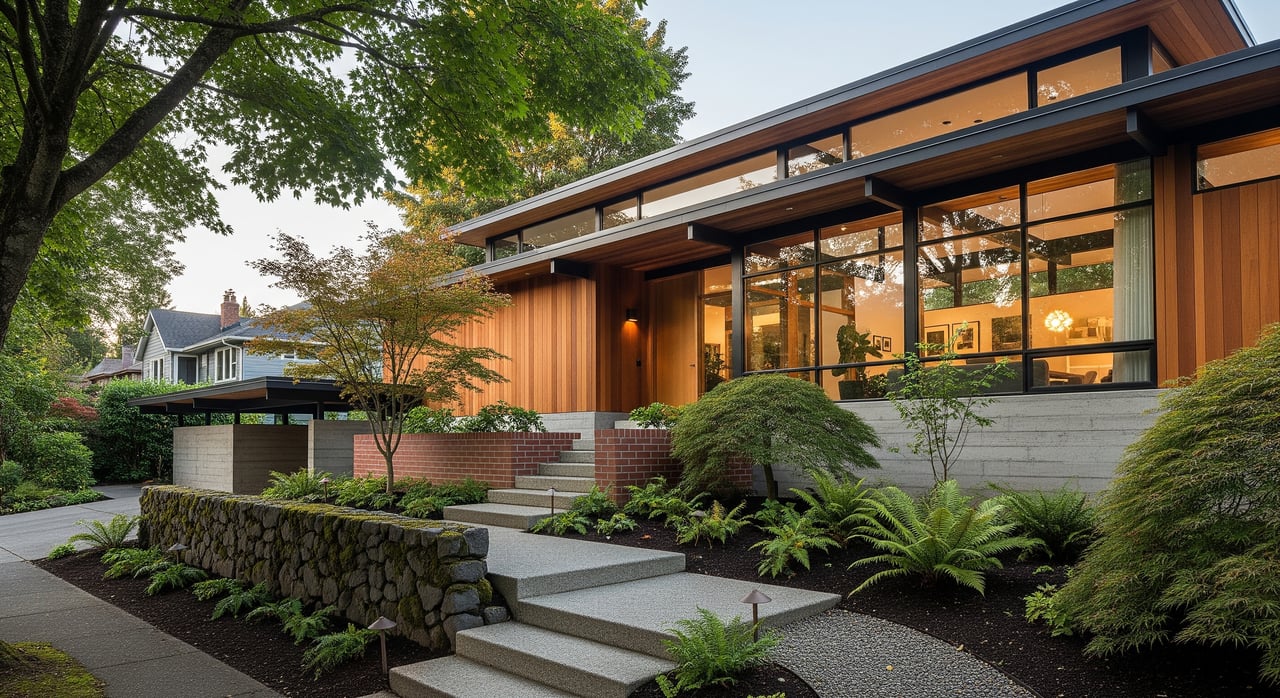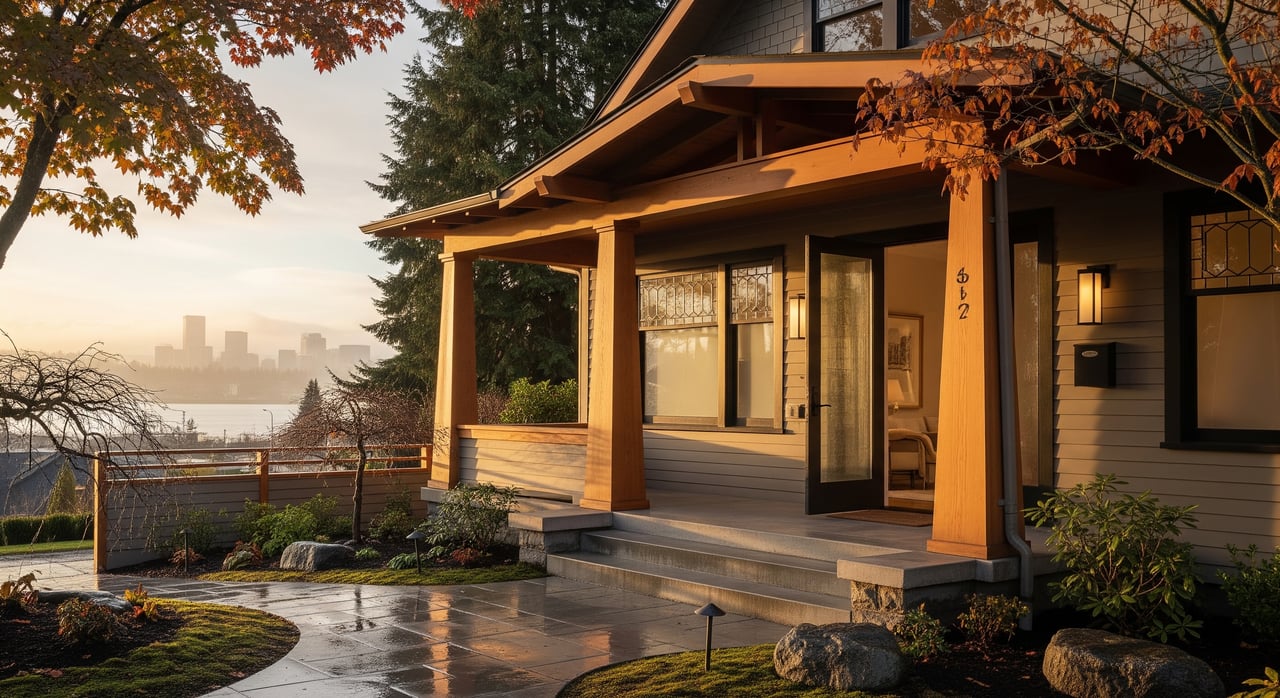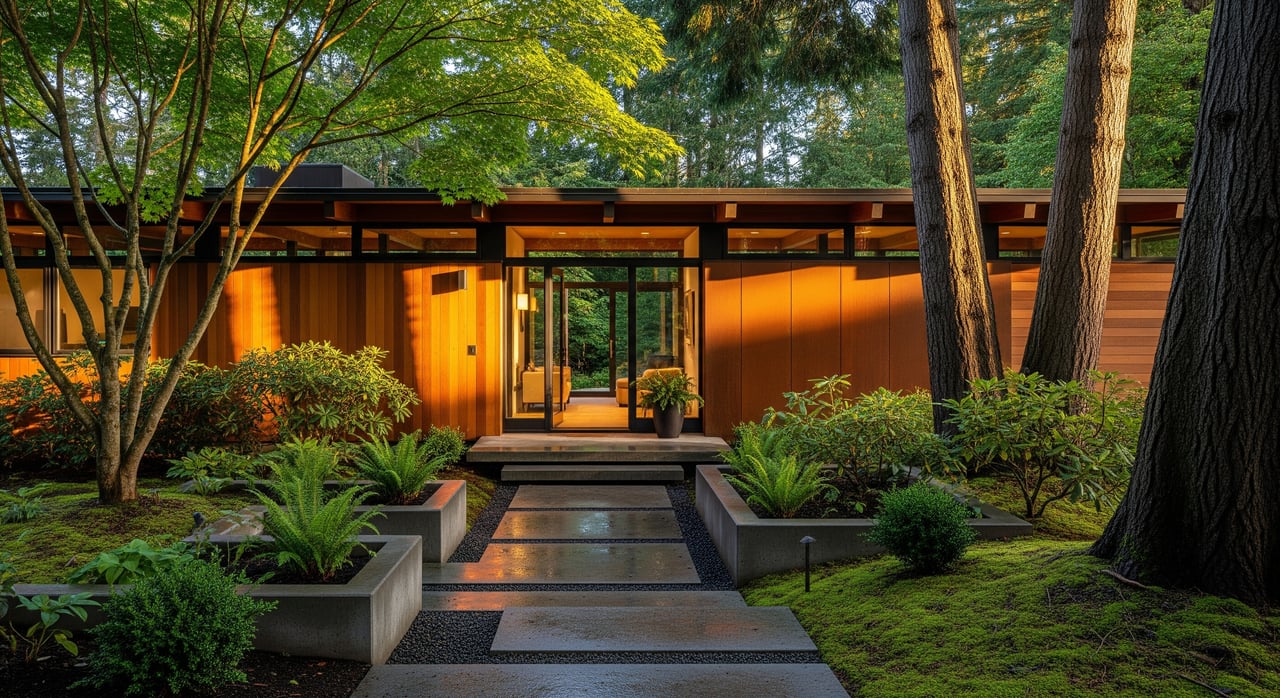
Your home is not average, and pricing it like one can cost you real money. If you own a modern or midcentury place in Northwest Portland, you already know how design, light, and setting change everything. You want a price that respects the architecture, reaches the right buyers, and still appraises. In this guide, you’ll learn the factors that move value in NW Portland, how to build a defensible comp set, and the pre-listing steps that help you sell with confidence. Let’s dive in.
Why NW Portland pricing is different
Northwest Portland mixes walkable streets, hillside homes, and easy access to parks. Buyers here value proximity to Forest Park and Washington Park, neighborhood shops, and transit. That creates steady demand for architecturally distinctive homes with strong design stories.
At the same time, post-pandemic cycles cooled the broader market before moving toward a more balanced pace. Micro-markets for architect-designed homes can behave differently, which is why your pricing needs to reflect both recent sales and the unique appeal of your property. Inventory and mortgage rates still shape behavior, so your pricing plan should account for current supply and buyer activity when you launch.
What drives value here
Architectural authenticity
Original midcentury details tend to command a premium when they are intact and well cared for. Clerestory windows, post-and-beam framing, built-ins, and floor-to-ceiling glass read as authentic. If you can document the architect or include the home in local architecture guides, provenance can support higher pricing.
If past renovations diluted the original character, be candid about what is original and what is not. Buyers respect honesty, and appraisers need clarity to assign value.
Condition and systems
Design-minded buyers still expect sound systems and modern performance. Electrical, plumbing, HVAC, roof, windows, and foundation condition all influence price. Unpermitted or poorly integrated work is a red flag that can reduce value and slow an appraisal.
If you have recent upgrades, gather permits and receipts. Documentation helps justify your list price and reduces friction later.
Layout and livability
Midcentury homes often have fewer baths, smaller kitchens, or limited storage compared to new builds. A home that preserves its character while addressing function usually sells faster and for more. Thoughtful kitchen and primary bath updates, improved lighting, and practical storage can all help.
Single-level living has a wide audience. If your plan is accessible or offers primary-on-main, highlight it in pricing and marketing.
Energy performance
Energy updates are a plus. Added insulation, efficient HVAC, and windows that match the original sightlines can reduce utility costs and keep the look intact. If you have an energy audit or recent utility bills, make them part of your listing packet to support value.
Site, views, and topography
Hillside settings can add privacy and city or river views, which many buyers will pay for. They can also come with retaining walls, access considerations, or drainage needs. Price should reflect both the benefits and the ongoing maintenance realities of the site.
Proximity to Forest Park or trail access can also lift buyer interest. Be precise about distance and access rather than relying on general claims.
Parking and access
Reliable off-street parking is important in NW Portland. Steep driveways, tight garages, or on-street limits can affect price relative to similar homes with easier access. If parking is a strength, feature it. If not, price accordingly and provide clear showing instructions.
Rare features buyers love
Intact built-ins, original woodwork, expansive glazing, indoor-outdoor flow, and level outdoor entertaining areas all help value. Small, segmented rooms or low ceilings can read as dated. If your home has both distinctive design and practical outdoor space, that combination supports stronger pricing.
Build your comps case
Select the right comps
Start close to home. Prioritize recent sales within about a half mile that share era and style, and match plan type when possible. Single-level midcentury homes should be compared to other single-level or similar plan types, not just any 1950s house.
When architectural comps are scarce, you can include updated traditional homes as secondary comps. Be transparent about the differences in style, authenticity, and amenities, and apply clear adjustments.
Make smart adjustments and tell the story
Adjust first for location, living area, lot size and topography, beds and baths, parking, significant remodels, and signature midcentury features. Document upgrades with permits, receipts, and photos. Describe material quality and craftsmanship, not just square footage.
If the home is architect-designed, provide any original plans, magazine features, or archival references. Clear provenance helps appraisers understand premiums that typical models might miss.
Solve appraisal challenges
Unique architecture often attracts buyers who will pay above what standard formulas predict. Appraisers rely on arms-length sales, so help them bridge the gap with evidence. Consider a pre-listing appraisal or a broker price opinion from an agent experienced with architectural properties to set realistic expectations.
If you receive multiple offers above list, update your comp packet for the appraiser with detailed improvements and recent sales to support the contract price.
Prep work that pays off
Documents to gather
- Recent professional photos and a measured floor plan
- Original plans, if available; architect name and known history
- Permit history and receipts for major work
- Pre-listing inspection and specialty reports (roof, foundation, HVAC) as relevant
- Recent utility bills and any energy audits or ratings
- Evidence of any historic or landmark status
Improvements worth considering
- Address deferred maintenance, including roof, gutters, exterior trim, and compromised windows
- Update kitchens and baths with materials and lines that respect the era
- Complete seismic or foundation work when needed and disclose certifications
- Improve landscaping to strengthen approach and usable outdoor space
- Stage with furnishings that complement the architecture and keep color palettes neutral
Staging and storytelling
Quality photography is essential. Emphasize the architecture, the light, and indoor-outdoor flow. Drone shots help explain hillside lots and views. A concise narrative packet that outlines the architect, materials, and systems gives buyers and appraisers confidence in your price.
Pricing tactics that work
Price for your target buyer. Design-savvy buyers will pay for authenticity, provenance, and privacy, especially if systems are solid. The narrative that supports your price should make those value drivers unmistakable.
Use a range strategy. If you have strong but limited comps, a conservative ask can attract multiple offers. If you have recent, close, and compelling sales, you can anchor a higher ask and justify it with documentation. Either way, be ready to move based on early feedback and showing activity.
Time your launch with the market. Inventory and interest rates influence urgency. Coordinate pricing, presentation, and open-house timing to meet buyers where they are.
Local rules to factor in
- Permits and disclosures: Structural changes, many remodels, and mechanical systems require permits in Portland. Disclose any unpermitted work and known issues, including foundation or slope history.
- Historic resources: If your home appears in a historic inventory or is a designated landmark, exterior changes may require review. That can increase appeal for preservation-minded buyers, yet narrow options for major exterior alterations.
- Hillside and drainage: Certain NW sections sit on steep slopes. Understand hillside development standards, landslide notices, and stormwater requirements. Buyers and appraisers will factor ongoing maintenance and compliance into value.
A simple pricing plan
- Define your buyer profile based on the home’s strengths and location.
- Gather documents: permits, plans, inspections, energy info, and recent utility bills.
- Complete targeted repairs and sympathetic updates that support value.
- Build a tight comp set prioritizing era, plan type, and proximity.
- Prepare a clear narrative packet for buyers and appraisers.
- Choose a pricing strategy that fits your comp support and launch timing.
- Present the home with design-led photography, floor plans, and measured data.
- Monitor showings and feedback, then adjust quickly if needed.
Ready to price with confidence?
When you respect the architecture and support your price with documentation, you give buyers and appraisers a shared story to believe. That is how modern and midcentury homes in NW Portland sell well, even when the broader market shifts. If you want a candid pricing plan, design-forward marketing, and transparent fees, connect with Lance Marrs. Portland Modern pairs senior guidance with a clear 2% listing fee and thoughtful storytelling so you can move on your timeline with fewer surprises.
FAQs
How should I balance authenticity and updates when selling in NW Portland?
- Preserve signature midcentury elements while updating systems and key functions like kitchen, baths, and lighting to meet current expectations.
How do I price a hillside home with views in NW Portland?
- Adjust for both the premium of privacy and views and the realities of topography, access, and maintenance; support the price with close-in comps and clear documentation.
Should I get a pre-listing appraisal for a modern home?
- Yes, especially for unique or architect-designed homes; it helps set expectations and can support your list price during appraisal.
How do unpermitted projects affect price in Portland?
- Unpermitted work can reduce value and complicate escrow; disclose it, and consider bringing work up to code to improve marketability.
Do historic or landmark designations raise or lower value?
- They can increase appeal for preservation-focused buyers while limiting exterior changes; price impact depends on your buyer pool and how changes are regulated.
What if there are no good comps for my architect-designed home?
- Expand the radius slightly, prioritize era and plan type, add a narrative with permits and provenance, and consider a pre-listing appraisal to support the price.