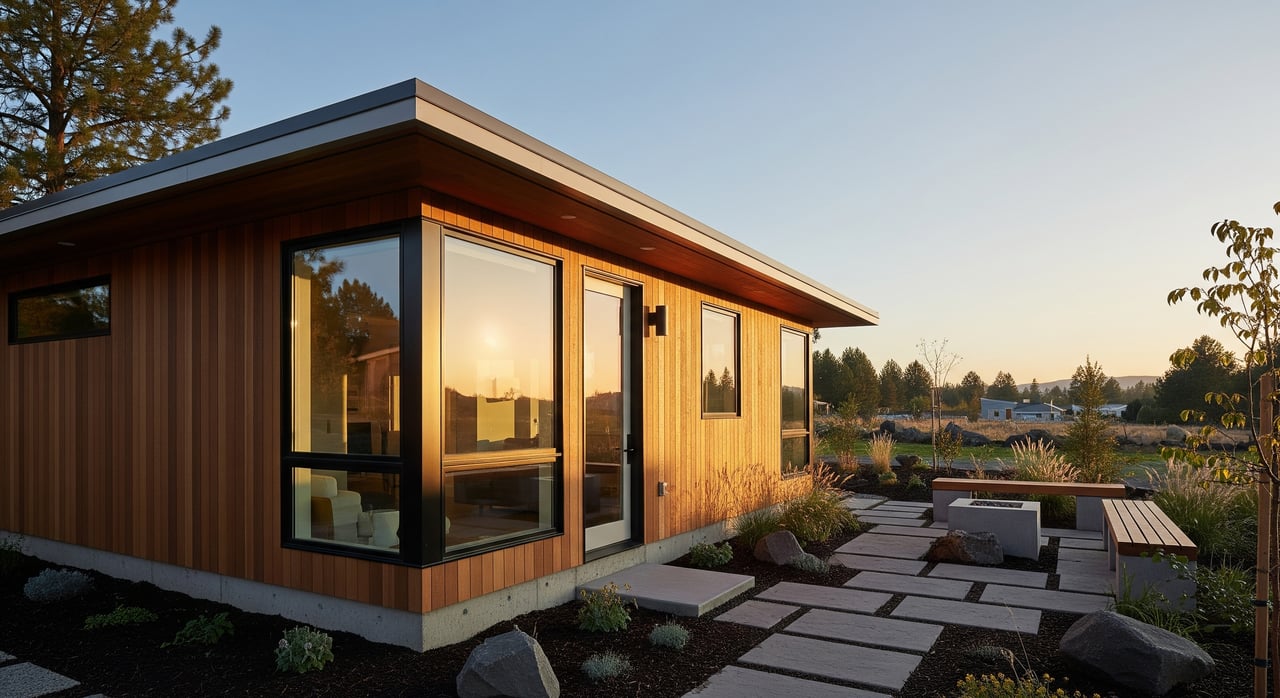
Thinking about adding a backyard cottage or garage conversion in Southeast Bend? You are not alone. Many homeowners are exploring accessory dwelling units to create flexible space for family, generate rental income, or boost long-term property value. In this guide, you will learn the fundamentals, local rules, costs, timelines, and practical steps tailored to Southeast Bend so you can plan with confidence. Let’s dive in.
What is an ADU?
An accessory dwelling unit is a secondary, independent living space on the same lot as your main home. Common formats include:
- Internal conversion, such as a basement or a portion of the existing house
- Attached addition that shares a wall with the primary home
- Detached cottage or a garage conversion
- Junior ADU, a small unit within the existing footprint with tighter size limits
ADUs typically range from a few hundred square feet to over 1,000 square feet, depending on design and local caps. Benefits can include long-term rental income, flexible multigenerational living, and potential property value gains. Trade-offs include upfront costs, added management if rented, and site or neighborhood constraints like setbacks and utility capacity.
Bend vs. Deschutes County: Know your jurisdiction
Your location determines which rules apply. Homes inside Bend city limits follow City of Bend planning and building codes. Properties outside city limits follow Deschutes County codes, which may involve different utility requirements.
Zoning, size, height, and setbacks
- Confirm your zoning allows ADUs and which types are permitted in your district.
- Ask planning staff for current size caps, height limits, and required setbacks for detached structures.
- Check lot coverage rules that limit total building area on your lot.
Parking, owner-occupancy, and short-term rentals
- Some jurisdictions have relaxed parking for ADUs, while others require off-street spaces. Verify what applies to your zone.
- Owner-occupancy requirements change over time. Ask whether the owner must live on site.
- Short-term rentals are regulated separately. Confirm whether ADUs can be used as STRs in your neighborhood and what permits or taxes apply.
Utilities and building code
- All ADUs need building permits and must meet Oregon Building Code standards. Expect structural, plumbing, mechanical, and electrical review.
- Inside city limits, many Southeast Bend homes have municipal water and sewer. Check capacity and hookup requirements.
- Outside city limits, wells and septic systems are common. Adding an ADU often triggers septic evaluation or upgrades under county and state rules.
Where to verify rules
- City of Bend Planning and Building divisions for in-city properties
- Deschutes County Building and Planning for properties outside city limits
- Local utilities for water, sewer, and power service requirements
Permitting steps and timeline
Planning ahead usually saves time and money. A typical City of Bend style process looks like this:
- Pre-application conversation with planning staff to flag zoning, setbacks, and utility needs.
- Design and plans with an architect or designer, including a site plan and building drawings.
- Land use review if variances or special conditions apply.
- Building permit submission for structural, plumbing, mechanical, and electrical review.
- Utility permits and agreements, such as sewer or water connections and power service upgrades.
- Inspections through construction and a final certificate of occupancy.
Typical timing:
- Pre-application and design: 1 to 3 months
- Permit review: 2 to 12+ weeks, depending on scope and completeness
- Construction: interior conversion 1 to 3 months; attached or detached ADU 3 to 9+ months
- Realistic total range: 4 to 12+ months from concept to move-in
What it costs in broad ranges
Every site is different, but these categories help you budget:
- Design and engineering: about $2,000 to $20,000+ depending on complexity
- Construction costs:
- Interior conversion: about $20,000 to $150,000
- Attached ADU: about $80,000 to $250,000+
- Detached ADU or garage conversion: about $100,000 to $350,000+
- Impact, permit, and plan review fees: often $1,000 to $10,000+
- Utility connection fees and upgrades: about $2,000 to $30,000+
- Septic system changes if not on sewer: about $10,000 to $40,000+ depending on soils and system
- Soft costs and contingencies: plan for 10 to 25 percent of your construction budget
These ranges are ballpark. Local fee schedules and site conditions in Southeast Bend, including slopes, retaining walls, and stormwater requirements, can materially affect costs.
Southeast Bend site and design considerations
Southeast Bend includes varied lot sizes and some sloped parcels. Plan for:
- Utilities: Confirm municipal water and sewer if you are inside city limits. If outside, evaluate well capacity and septic reserve areas early.
- Topography: Slopes increase complexity. Retaining walls, erosion control, and stormwater management may add time and cost.
- Climate: Cold winters and snow load affect roof design, insulation, and HVAC choices. Energy-efficient construction can reduce long-term operating costs.
- Access and privacy: Separate entrances are popular. Review driveway width, curb cut constraints, and emergency access.
- Neighborhood context: Some areas emphasize design compatibility. Matching scale, rooflines, and materials can ease plan review.
Financing, taxes, and renting your ADU
You have several ways to pay for an ADU. Common options include cash, home equity loans or HELOCs, construction-to-permanent loans, and select local or state programs when available. Speak with your lender early to align budget and timeline.
Keep these items on your financial checklist:
- Rental income is taxable. Some expenses and depreciation may be deductible; consult a tax advisor.
- Property taxes usually increase with improvements. Ask the Deschutes County Assessor how ADUs are valued.
- Update homeowners insurance for added dwelling coverage and liability.
- Long-term rentals are commonly allowed where ADUs are permitted. Short-term rentals often require separate licensing and have different rules and taxes.
- Follow Oregon landlord-tenant law, including habitability standards and screening requirements, if you rent the unit.
Practical pre-checklist for homeowners
Before hiring a contractor, line up these steps:
- Confirm if your property is inside Bend city limits or in unincorporated Deschutes County
- Request a pre-application conversation with planning staff
- Order a property survey and utility locate if needed
- Evaluate sewer and water versus well and septic, including cost implications
- Choose the ADU type: internal, attached, detached, or junior ADU
- Draft a preliminary design and budget that includes soft costs and contingencies
- Obtain multiple contractor bids and verify licensing and insurance
- Review financing options and speak with a tax advisor
- Apply for permits and map out inspections
- If renting, plan for property management and compliance
Tips to reduce risk and surprises
- Start with feasibility. A quick check of setbacks, easements, utility lines, slope, and septic reserve areas can steer the entire design.
- Right-size mechanical systems. Plan for ventilation, sound separation for attached walls, and electrical service capacity. Detached units can require service upgrades.
- Design for efficiency. Better insulation, heat pumps, and smart envelopes pay off in Bend’s climate.
- Think ahead about access, light, and privacy. Separate outdoor space and entries improve livability and rental appeal.
- Hire local experience. A contractor familiar with Bend’s snow load and stormwater controls helps keep reviews and inspections on track.
Is an ADU right for you?
An ADU can add flexibility for family, create rental income, and grow long-term value. It also requires capital, time, and clear management plans. Focus on feasibility, current local rules, total cost of ownership, and how you plan to use the space over the next 5 to 10 years. When those pieces align, an ADU can be a smart, durable improvement in Southeast Bend.
If you are weighing your options, you do not have to figure it out alone. For design-minded advice, market context, and a plan for long-term rentability, connect with Portland Modern’s senior-led team. Whether you plan to live in your ADU, lease it long-term, or prepare your property for a future sale, we can help you sequence decisions and manage the details. Reach out to Lance Marrs to start the conversation.
FAQs
Can I build an ADU on my Southeast Bend lot?
- Check your zoning with City of Bend or Deschutes County, then confirm setbacks, lot coverage, and allowable ADU types for your property.
How big can my ADU be in Southeast Bend?
- Size caps vary by zone and whether the unit is internal, attached, detached, or a junior ADU; planning staff can confirm the maximum for your lot.
Do I need to live on the property if I add an ADU?
- Owner-occupancy requirements can change; ask planning staff whether your jurisdiction currently requires the owner to live on site.
Can I use an ADU as a short-term rental in Bend?
- Short-term rentals are regulated separately; verify eligibility, licensing, and tax requirements for your address before planning on STR income.
What utilities should I plan for with a detached ADU?
- Expect water, sewer or septic approvals, power capacity checks, and potential service upgrades; detached units often need additional utility work.
How long will permitting and construction take?
- Many projects run 4 to 12+ months from concept to occupancy, depending on design complexity, review timelines, and contractor schedules.
How much should I budget for fees and connections?
- Permit, plan review, and impact fees often total $1,000 to $10,000+, and utility connections or upgrades can add $2,000 to $30,000+ depending on site conditions.
Will my property taxes go up after building an ADU?
- Improvements typically increase assessed value; contact the Deschutes County Assessor to understand how additions are valued.