Thinking about selling your Northeast Portland home and wondering when to go to market? Timing does matter. You want strong buyer activity, the right competition level, and a clean path to closing. In this guide, you’ll learn how seasonality plays out locally, how different neighborhoods and property types behave, and how to build a clear timeline that fits your goals. Let’s dive in.
The quick answer
For many Northeast Portland homes, the best listing window is often spring through early summer, roughly March through July. Buyer activity typically rises in spring, curb appeal improves, and families plan moves around school calendars. That said, your optimal timing depends on your neighborhood, property type, and the current year’s market conditions. If you need to sell in fall or winter, you can still do well with sharp pricing, strong presentation, and a focused plan.
Spring strength
Spring usually brings the most buyer traffic and new listings. Your home’s landscaping and natural light show well, and photography benefits from longer days. Expect more competition from other sellers, so pricing and presentation are key.
Early summer momentum
Early summer often stays active. Outdoor spaces look great and are easy to highlight. Some buyers travel, which can slow weekday showings, but serious shoppers remain engaged.
Fall opportunities
Fall activity usually steps down from spring and summer, yet inventory often drops too. With fewer competing listings, serious buyers can focus on your home. Daylight is shorter, so schedule photography carefully and keep up with leaf and gutter maintenance.
Winter advantages
Winter brings the lowest foot traffic, but also the least competition. Motivated buyers are still in the market. If you sell in winter, lean into interior staging, warm lighting, and accurate pricing.
How local factors shape timing
Weather and curb appeal
Portland’s wet season can affect outdoor showings and first impressions. Plan landscaping refreshes, exterior touch-ups, and window cleaning to maximize light and curb appeal when skies clear. Cozy interiors can be a strong draw during colder months.
School calendar and family moves
Many buyers plan moves around the school year. Spring listings in family-oriented pockets of Northeast Portland can see strong interest as households prepare for summer closings.
Transit and commute access
Homes close to MAX Blue and Red Line stops or bus corridors often see steady attention year-round. If you are transit-adjacent, highlight commute options and nearby amenities regardless of season.
Neighborhood energy and events
Warmer months bring more foot traffic to corridors like Alberta Arts District, Mississippi Avenue, and Hollywood. Listing near peak neighborhood activity can increase exposure, especially if your home sits near retail or parks.
Neighborhood nuances in Northeast Portland
Inner Northeast historic cores
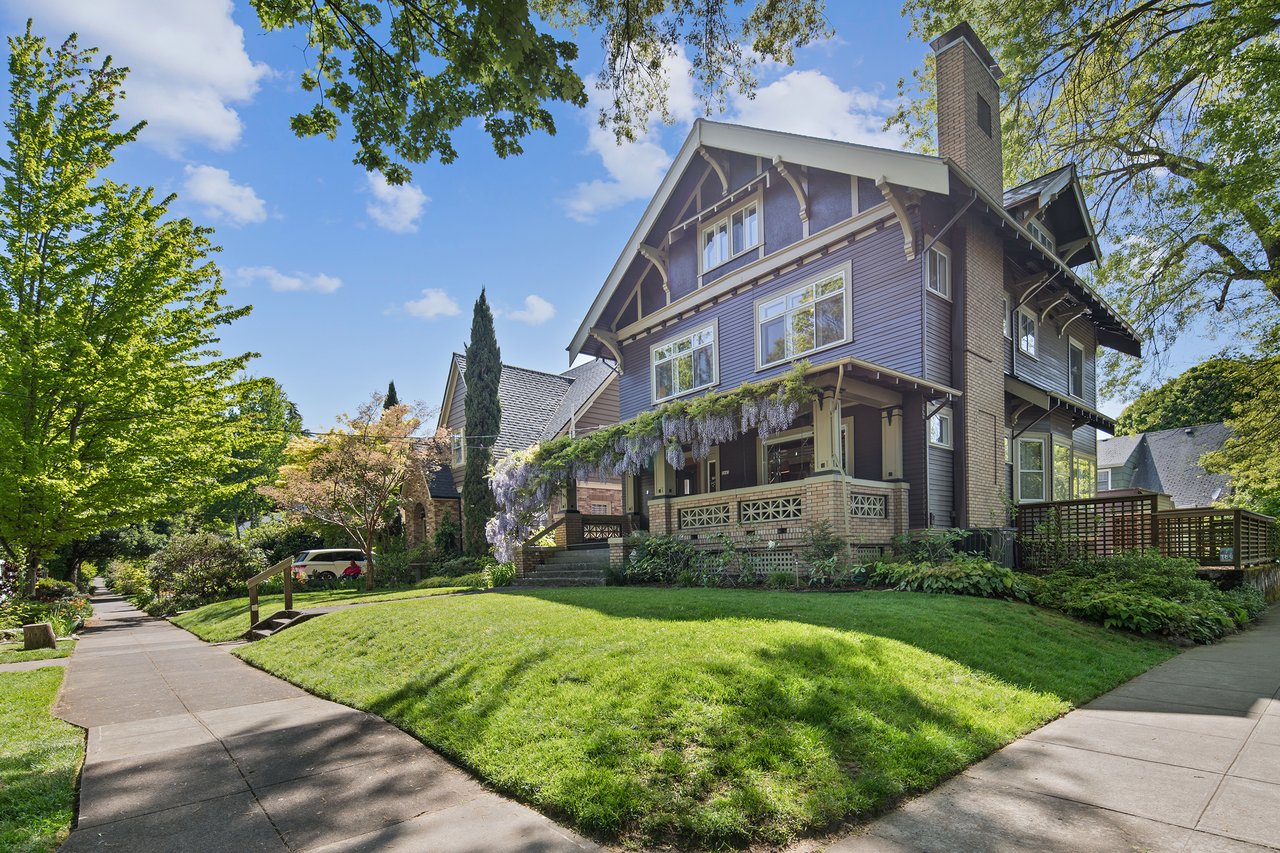
Areas such as Irvington, Eliot, Laurelhurst, and King feature older homes with architectural character and tree-lined streets. Spring listings here can make the most of curb appeal and natural light. Preserve any historic details and stage to showcase craftsmanship.
Alberta Arts and Mississippi corridor
Walkable, arts-forward blocks often draw buyers who value access to shops, cafes, and galleries. Listings timed before the busiest warm-weather months can ride increased neighborhood traffic. If your property includes flexible studio space or a private patio, highlight it.
Hollywood and Beaumont-Wilshire
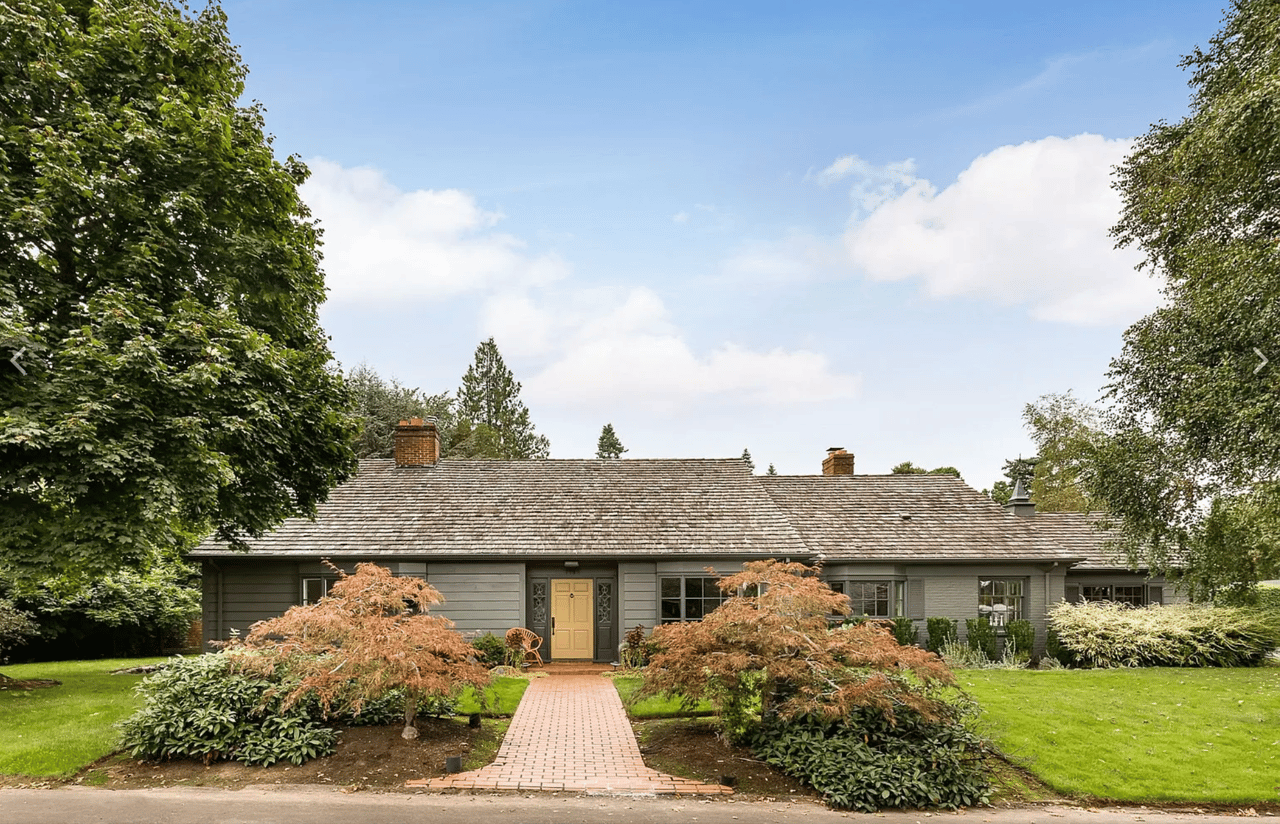
These neighborhoods offer a mix of early 20th-century and mid-century homes that appeal to a wide pool of buyers, including commuters. A spring or early summer debut aligns well with family timelines.
Concordia, Cully, and Parkrose-adjacent
These areas feature varied price points and property styles. Buyers can be more price-sensitive, so match your pricing and launch strategy to the latest neighborhood comps. If inventory is light in fall or winter, a well-prepared listing can stand out.
Property-type timing tips
Single-family homes with yards
These shine in spring and early summer when landscaping and outdoor living spaces look their best. Consider light gardening, pressure washing, and fresh mulch before photos.
Condos and townhomes
These can sell well year-round. Since yard appeal matters less, focus on interior light, clean finishes, and convenience to transit and amenities. Winter listings can perform strongly with quality staging and professional photography.
Small multifamily and investment properties
Investor activity can be less seasonal. Cap rates, rental demand, and financing conditions may drive interest more than the month. Ensure rent rolls, maintenance records, and permit history are organized before listing.
Your listing calendar: what to do when
Use this simple timeline to hit the market ready, regardless of season.
2 to 6 months before listing:
- Evaluate major repairs, any unpermitted work, and potential updates.
- Consult contractors and request written bids.
- If needed, begin permit applications with the City of Portland early.
1 to 3 months before listing:
- Complete permitted work where possible and schedule pre-listing inspections if you expect issues, like roof or sewer.
- Plan staging, painting, flooring touch-ups, and lighting improvements.
- Draft your pricing strategy and marketing plan.
2 to 6 weeks before listing:
- Deep clean, declutter, and edit furnishings.
- Schedule professional photography for a clear day and consider a twilight session.
- Finalize your launch date and open house schedule.
Listing week:
- Go live with complete disclosures and a polished media package.
- Promote open houses and be flexible with private showings.
- Keep exterior areas clean and well lit.
Pricing, marketing, and showings by season
Spring and early summer:
- Pros: high buyer traffic, strong curb appeal, great light for photography.
- Cons: more competition, faster pace can complicate contingencies.
Mid to late summer:
- Pros: outdoor spaces look their best, longer days support showings.
- Cons: buyer vacations can reduce weekday traffic.
Fall:
- Pros: lower inventory and focused buyers.
- Cons: shorter daylight and ongoing yard maintenance.
Winter:
- Pros: motivated buyers and less competition.
- Cons: fewer showings, holiday schedules, and exterior staging challenges.
Across all seasons, the basics apply: price to the market, stage for your likely buyer, and ensure high-quality visuals. A crisp pricing strategy paired with great photos and copy gives you an edge, even when inventory is light.
Permits, disclosures, and closing timing in Portland
Disclosures
Oregon requires sellers to provide statutory disclosures about known material conditions. For older homes, lead-based paint disclosures may apply. Share your disclosures early to build trust and reduce delays.
Permits
The City of Portland’s Bureau of Development Services handles building, electrical, and plumbing permits. Unpermitted work can slow negotiations and closing. If you suspect past work was not permitted, start early to research and address it.
Inspections and repairs
Most buyers include inspection contingencies. If you anticipate issues, consider a pre-listing inspection to set expectations and pricing. Be ready with contractor bids for common items, like sewer lines or roofing.
Financing and closing windows
Typical closing timelines range around 30 to 45 days, depending on lender volume and negotiation. Peak spring activity can lengthen lender processing times. Build a buffer into your plans during busier months.
Taxes and proration
Property tax proration and assessment timing can affect your closing statement. Coordinate with your title and escrow team to avoid surprises.
What to watch before you choose a date
Market conditions change from year to year. Before you circle a launch date, review:
- Median sale price trends and month-over-month movement.
- Months of inventory and new listings by month.
- Average days on market.
- Sale-to-list price ratio.
- Closed and pending sales counts.
- Price per square foot trends in your micro-market.
Local sources to consult include RMLS neighborhood reports, PortlandMaps and Multnomah County records for parcel, permit, and tax history, city housing and planning updates, and regional market snapshots. Weather forecasts and climate norms can also help you plan photos and showings.
When your timeline matters most
Seasonality is a guide, not a rule. Your move date, financial goals, and the condition of your home matter more than any single month. If you need to sell outside of spring, lean into what you can control: preparation, pricing, and presentation. A well-planned fall or winter launch can outperform a rushed spring listing.
Why presentation still wins in any season
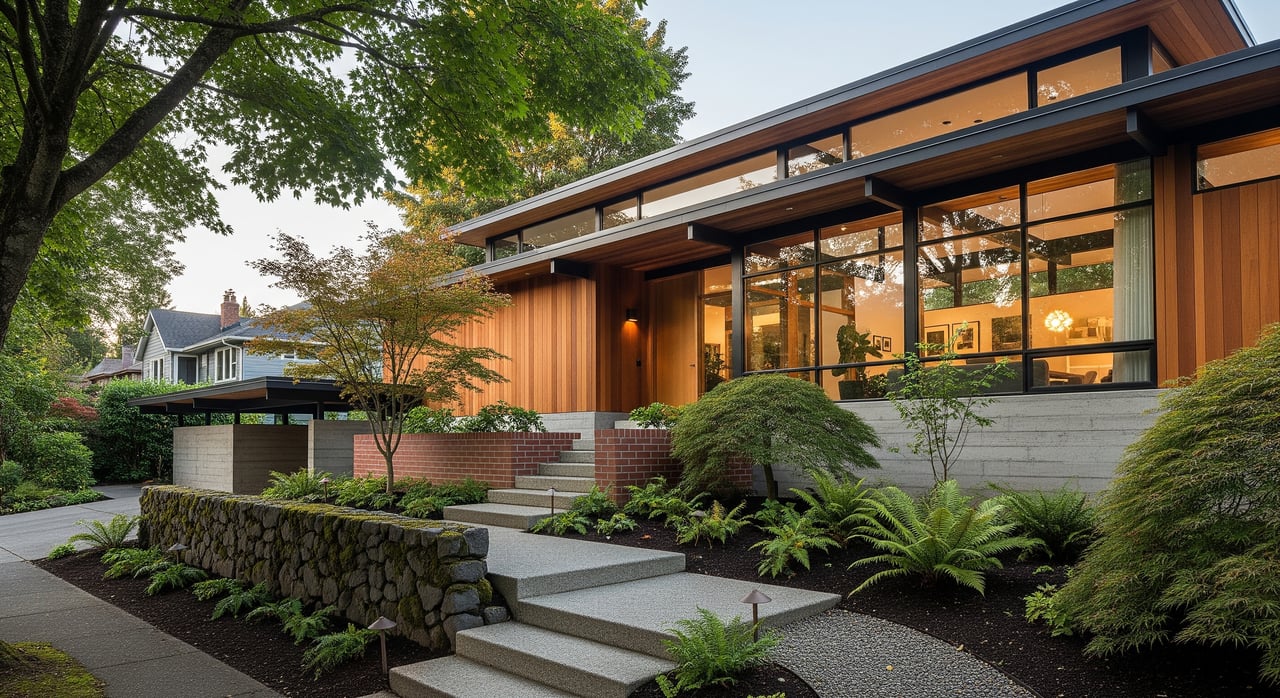
Great presentation closes the gap between good timing and great results. High-quality photography, thoughtful staging, clear copy, and a clean disclosure package help buyers act with confidence. If your home has architectural character or midcentury details, tell that design story clearly. The right media and narrative give your listing staying power, no matter the weather.
Ready to plan your Northeast Portland sale?
If you want a clear, season-aware plan tailored to your home and neighborhood, reach out. With design-led marketing, transparent service packaging, and a competitive 2% listing fee, you can list with confidence and keep your timeline on track. Start the conversation with Lance Marrs to map your best launch window.
FAQs
What is the best month to list a home in Northeast Portland?
- Spring through early summer often sees the most buyer activity, but your optimal month depends on neighborhood trends, current inventory, and your personal timeline.
Is winter a bad time to sell a house in Portland?
- Not necessarily; buyer traffic is lower, but so is listing competition, and well-priced, well-presented homes can still sell quickly.
How far in advance should I start permits in Portland?
- Start as early as possible; permit timelines vary by project and workload, and complex work can add weeks or months.
Do school calendars really affect when I should list?
- In family-oriented areas, spring and early summer activity often rises as households plan moves around the school year.
How long does closing usually take in Northeast Portland?
- Many transactions close in about 30 to 45 days, depending on lender timelines and negotiated terms.
Should I get a pre-listing inspection?
- If you expect issues, a pre-listing inspection can clarify scope, inform pricing, and reduce surprises during buyer due diligence.