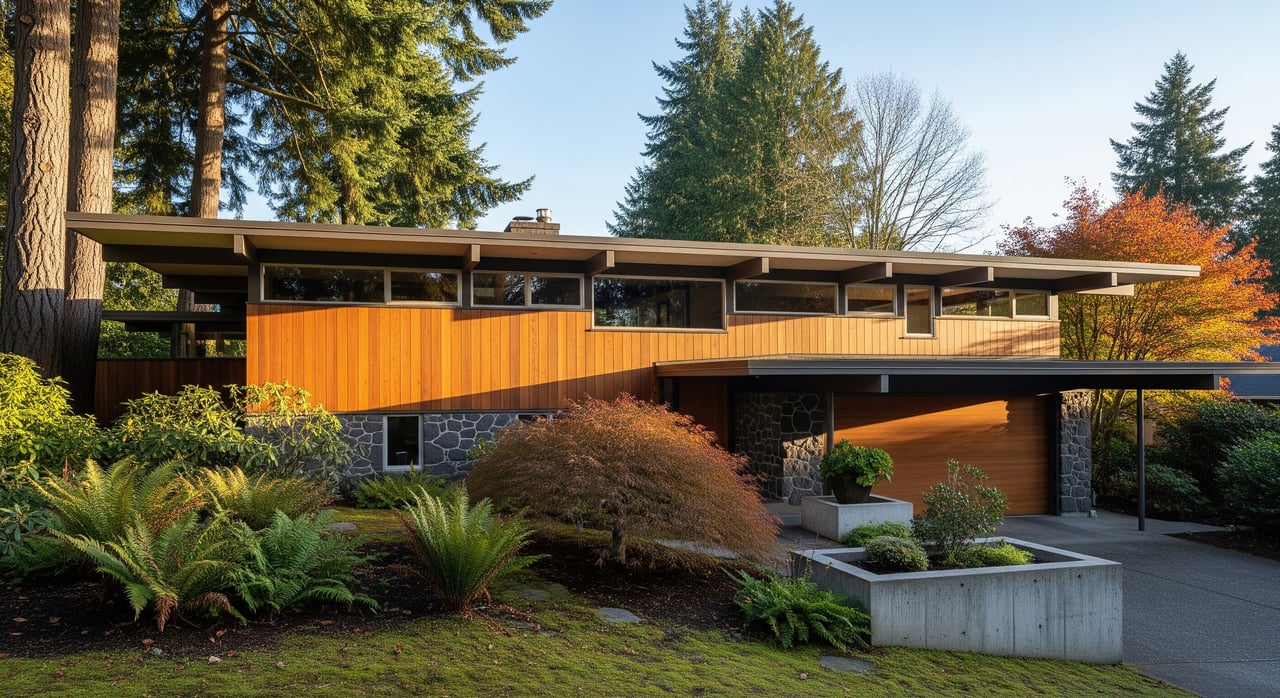
Wondering if that clean-lined ranch in Northeast Portland is truly midcentury, or just dressed the part? You are not alone. Many homes here were built between 1945 and the early 1970s, then remodeled over time, which can make identification tricky. This guide gives you a clear checklist of features to spot, local resources to confirm age, and practical tips to preserve value while you update. Let’s dive in.
What “midcentury” means in Portland
Midcentury residential design generally spans 1945 to about 1970–75. In Portland, it blended International Style ideas with climate-savvy Northwest materials and details. This regional mix is often called the Northwest Regional style, and it favors wood, deep eaves, and indoor–outdoor flow.
Design leaders like Pietro Belluschi and John Yeon helped shape the region’s look. For context, explore the Oregon Encyclopedia entries on Pietro Belluschi and John Yeon. A celebrated local example is Yeon’s Watzek House, documented by the National Park Service.
Quick exterior checklist
Use these exterior cues to spot midcentury character on a drive-by or showing.
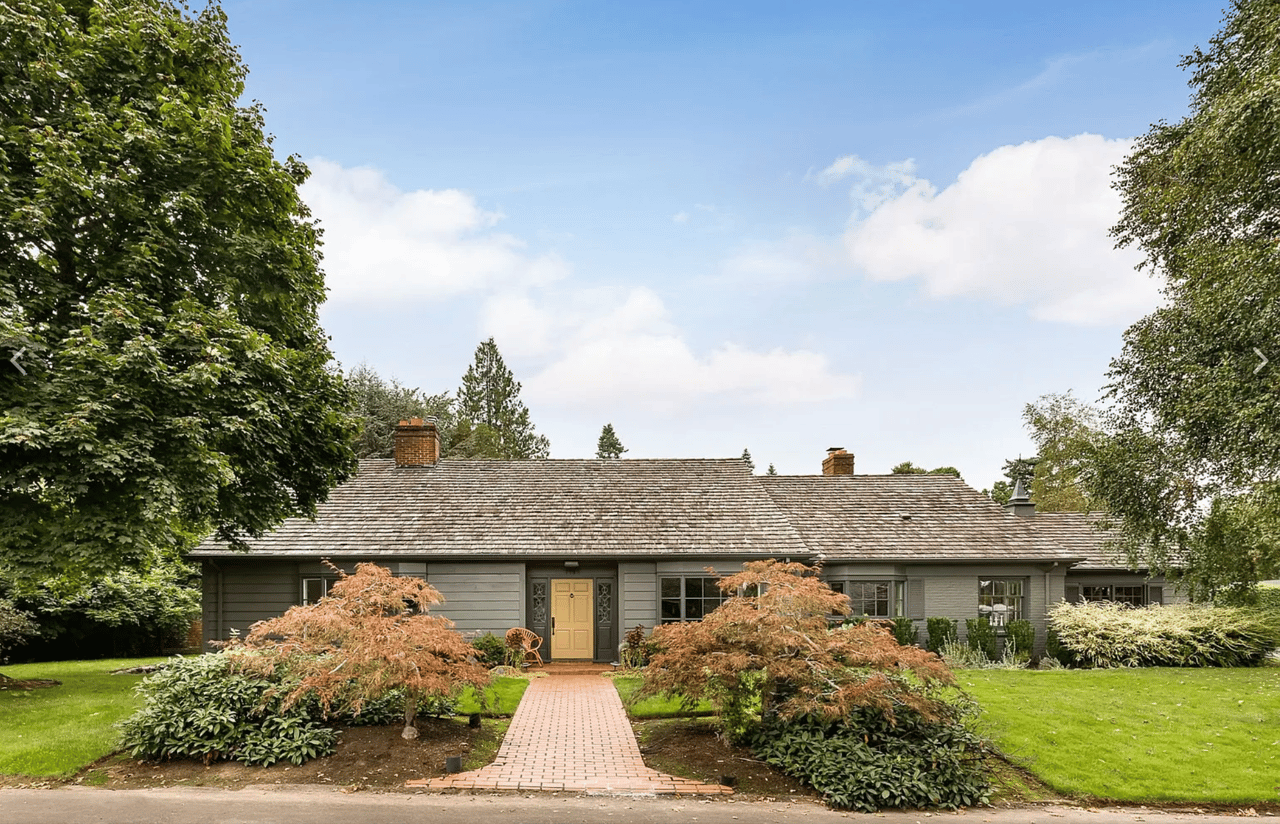
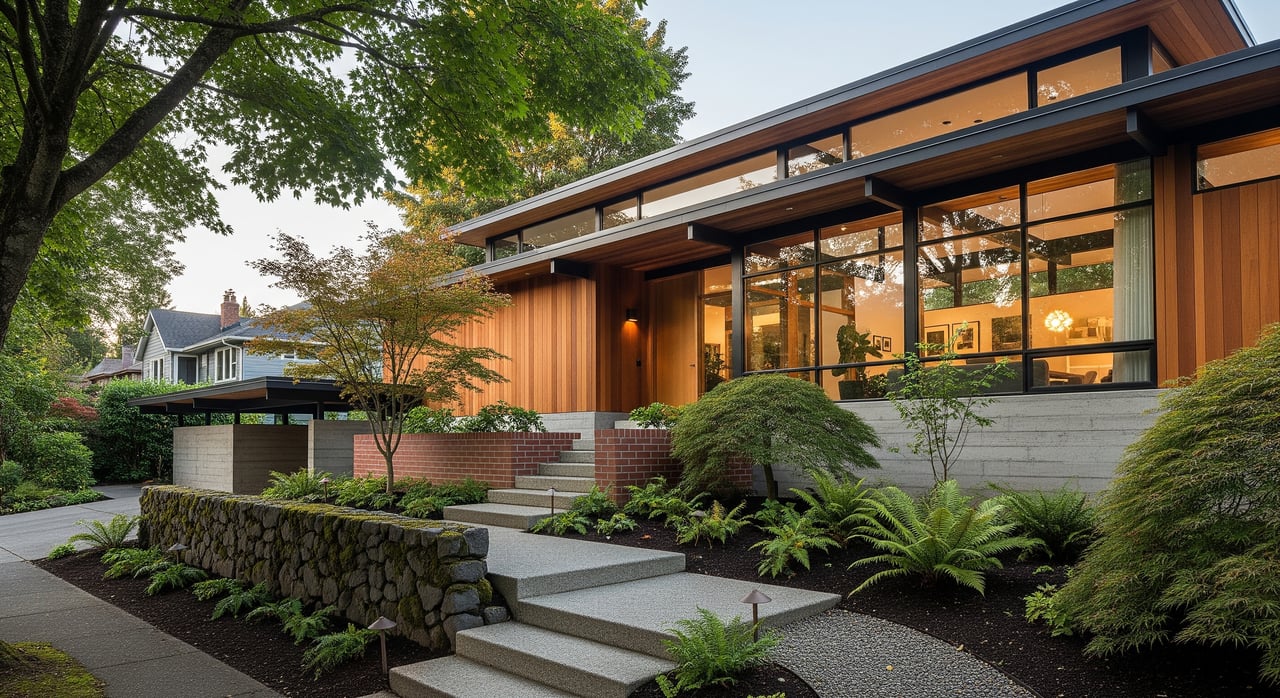
- Rooflines: low-pitched or flat roofs, shallow gables, and a wide horizontal emphasis.
- Eaves: deep overhangs that protect large windows, sometimes with exposed rafters.
- Forms: clean, rectilinear massing with minimal applied ornament.
- Structure: post-and-beam elements or thin support posts at porches and carports.
- Garages and entries: integrated or attached single-bay garages, carports, and recessed entries.
- Windows and doors: large picture windows, horizontal ribbon windows, clerestory windows, and sliding glass doors to patios.
- Materials: horizontal wood siding, board-and-batten, and natural accents like stone, river rock, or brick at chimneys or feature walls.
Interior features to look for
Inside, midcentury homes tend to be simple, warm, and functional.
- Layout: open or semi-open plans with living areas oriented to a patio or backyard views.
- Ceilings: exposed beams, vaulted or cathedral ceilings in some designs.
- Built-ins: integrated cabinets, bookshelves, headboards, and mantel storage.
- Finishes: wood paneling, plywood cabinetry, laminate countertops, terrazzo or parquet floors in some homes.
- Focal points: full-height stone or brick fireplaces.
- Details: thin wood or steel railings, sliding interior doors, glass block screens, and narrow tile bands in kitchens or baths.
Lot and landscape cues
Outdoor spaces often complete the design story.
- Orientation: living rooms and dining areas open to a patio, terrace, or rear yard through large glass.
- Hardscape: modest, linear planters and simple patios that extend living areas.
- Car access: driveways leading to carports rather than dominant street-facing garages.
Verify the build date and history
Style offers clues, but records confirm the facts. Start with quick, free tools.
- Check the year built and permits on PortlandMaps. Look for original build dates between 1945 and 1975, then scan permits for major remodels that may have altered features.
- Cross-check assessed details with the Multnomah County Assessor, especially if records conflict.
- See if the property appears in the City’s Historic Resource Inventory or a historic district via the City of Portland historic resources page. Listing status can affect exterior changes.
- Search the Oregon Historic Sites Database for state and National Register information.
- For nationally recognized examples, consult the National Park Service.
Tip: Compare on-site clues with permits. A 1955 build with intact wood windows, built-ins, and original fireplace masonry likely retains midcentury character. A 1968 build with a comprehensive 2008 remodel may read more contemporary.
Northeast Portland patterns to expect
Postwar growth touched many parts of NE Portland, but styles mix block to block. You will often see clusters of midcentury ranches and split-levels near pockets developed after WWII, adjacent to earlier bungalows or later infill. To locate concentrations, scan parcel build years on PortlandMaps before you tour, then confirm on the ground.
Preservation and smart updates
You can modernize for comfort while keeping the character that buyers value.
Permits and reviews
- If a property is a designated landmark or inside a historic district, some exterior work may require historic design review. Check the City of Portland historic resources page before planning changes.
- For building code and permit questions, review City guidance and always capture permits for significant work.
Inspections to prioritize
- Moisture and rot: deep eaves and wood cladding need sound flashing and drainage. Ask for a thorough moisture review.
- Roofs: flat or low-slope roofs may have been re-roofed. Verify replacement history and condition.
- Seismic and foundations: consider a structural inspection for bolting and bracing needs.
- Windows and energy: single-glaze units are common. The NPS Preservation Briefs cover repair and weatherization options.
- Hazardous materials: homes built before 1978 may contain lead-based paint. Renovation contractors may need EPA RRP certification. See the EPA RRP program.
Efficient upgrades that respect style
- Keep character-defining features such as original window patterns, built-ins, masonry fireplaces, and post-and-beam elements.
- Choose energy retrofits that are low profile, like air sealing, insulation, and discreet window weatherization.
- When replacements are necessary, match original proportions, materials, and profiles where feasible.
Red flags sellers should address
- Unpermitted additions or altered window openings that disrupt original rhythms.
- Extensive water staining at eaves or chimneys.
- Patchwork roof repairs on flat or low-slope sections.
- Missing documentation for major mechanical or electrical upgrades.
For sellers: tell the midcentury story
A clear design story helps buyers connect with your home.
- Document original elements with photos and permit records, including any sensitive updates.
- Highlight indoor–outdoor flow, built-ins, and fireplace masonry in listing media.
- Stage with simple lines and natural textures to echo the architecture.
- Be upfront about improvements and inspections. Buyers appreciate clarity and stewardship.
For buyers: field tips on a tour
Use this quick scan to decide what to dig into next.
- Roofline and eaves: low, clean profile with deep overhangs is promising.
- Windows and doors: large picture windows, sliders to a patio, and clerestories support midcentury origins.
- Interior clues: exposed beams, continuous flooring between living and dining, and integrated cabinetry.
- Fast fact-check: open PortlandMaps on your phone to confirm year built and permits before you get attached.
When you are ready to buy or sell, a locally grounded team can help you verify the facts, present the design story, and navigate updates with care. If you want a candid read on your home or the one you are touring, reach out to Lance Marrs for next steps.
FAQs
What defines a midcentury house in Northeast Portland?
- Generally, homes built between 1945 and the early 1970s with low rooflines, deep eaves, large windows, and simple forms that reflect the Northwest Regional approach.
How do I confirm age if a home is heavily remodeled?
- Check the year built and permit history on PortlandMaps, cross-check with the Multnomah County Assessor, and compare on-site features with original-era details.
Are there renovation restrictions on midcentury homes here?
- Only if the home is designated or in a historic district, which can trigger review for exterior changes; verify status on the City of Portland historic resources page.
What inspections are most important for midcentury homes in Portland?
- Prioritize moisture and rot, roof condition on low-slope areas, seismic and foundation needs, window condition, and potential lead or asbestos; see NPS Preservation Briefs for repair-first guidance.
Should I replace original windows for energy efficiency?
- Consider repair and weatherization first to retain character; if replacement is necessary, match original proportions and profiles to protect value and appearance.
Where can I learn more or find specialists?
- Start with the Oregon Historic Sites Database, the National Park Service for guidance, and local organizations like the Architectural Heritage Center for education and referrals.