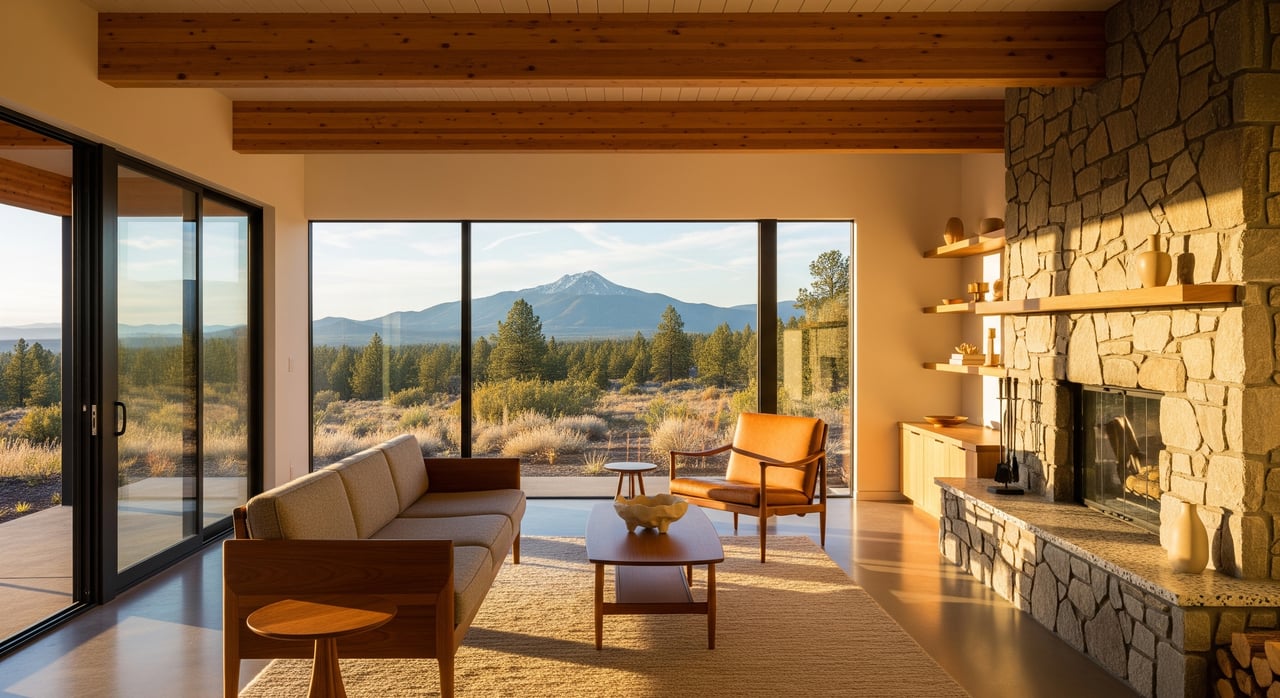
Thinking about selling a midcentury home in Southeast Bend and wondering if you should stage it? You are not alone. Buyers here love design, outdoor living, and easy function, which can make staging a smart play when you want top presentation. In this guide, you will learn when staging pays off, how to highlight authentic midcentury character, and the room-by-room moves that speak to Bend’s lifestyle. Let’s dive in.
Why staging matters in Southeast Bend
Staging helps buyers picture how a midcentury home really works. Open plans, clerestory windows, and built-ins are selling points when they are presented with care. Without staging, those same features can feel dated or confusing.
Buyer expectations in Bend
Many Bend buyers value outdoor connection, clean lines, and storage that supports active living. When you show organized entry storage, low-profile furniture that keeps sightlines open, and inviting patios, you help buyers see daily life, not just square footage.
Seasonal timing and demand
Bend moves through distinct seasons. In spring and summer, staged decks and patios matter. In fall and winter, warm lighting, area rugs, and layered textiles make rooms feel inviting. Align your staging with the season to show year-round comfort.
Midcentury specifics
Midcentury design is about proportion and flow. Staging that frames fireplaces, celebrates wood tones, and keeps windows clear will elevate architecture. Staging that fights the style or overwrites character with generic trends does the opposite.
What to highlight in a midcentury home
Architectural features
Aim attention at the elements that define the home:
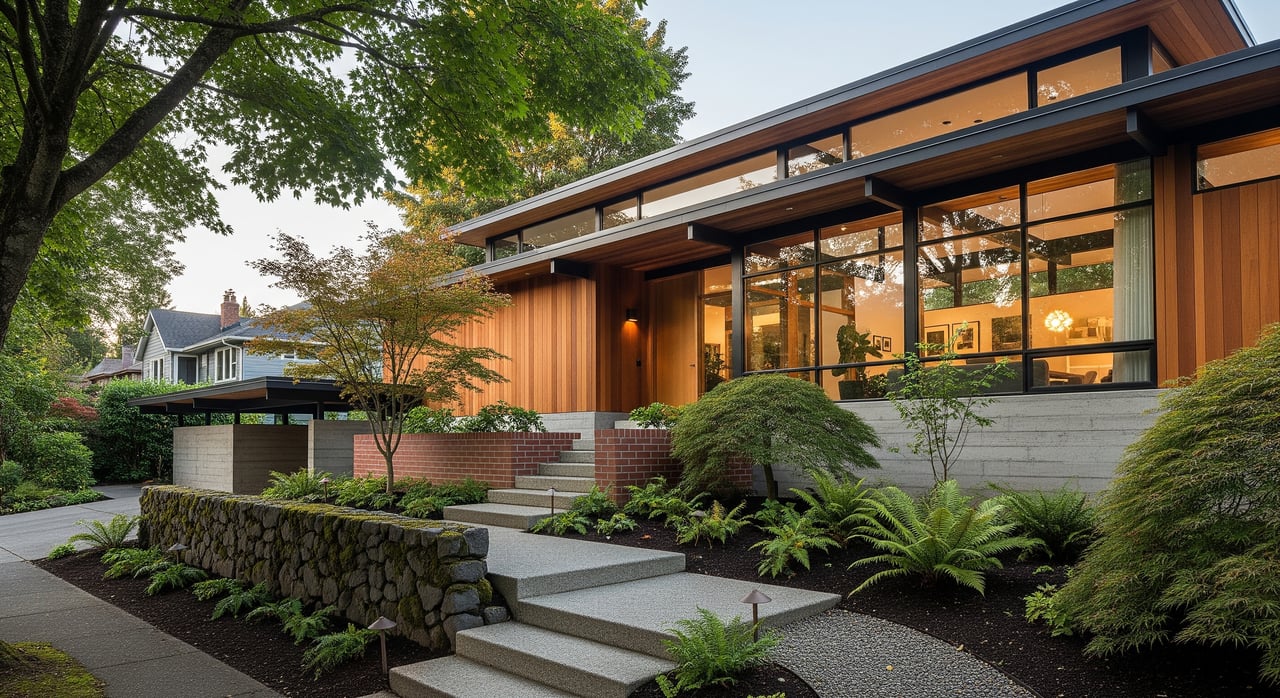
- Low-slung rooflines and exposed beams
- Clerestory or floor-to-ceiling windows
- Built-in cabinetry with minimal trim
- Brick or stone fireplaces
- Warm wood tones, terrazzo, metal frames, and original hardware
Keep these features unobstructed and well lit. Use low-profile seating and scaled pieces so rooms feel spacious and true to the architecture.
Neutralize without erasing
If strong period colors dominate, consider a neutral base with subtle midcentury accents. Muted teal, ochre, or rust in pillows or art can nod to the era without overwhelming it. Replace tired hardware with reversible updates. Deep clean kitchens and baths so vintage reads as cared for, not neglected.
Preserve authenticity
Many buyers drawn to midcentury homes want the real thing. Protect original woodwork and built-ins. Avoid permanent changes that strip character. Favor reversible moves, like paint, textiles, and lighting you can swap.
Room-by-room staging tips
Curb appeal and outdoor living
Keep landscaping clean and suited to the high-desert climate. Use native or drought-tolerant plants, tidy gravel or mulch beds, and a clear path to the door. Stage decks and patios as living rooms with seating, an outdoor rug, and evening lighting. Show the indoor-to-outdoor transition through clean sliders and sightlines.
Entry and mudroom
Set the tone with order and function. Add hooks, a bench, baskets, or lockers to show a place for gear. Keep it simple and uncluttered so buyers see storage, not stuff.
Living and dining areas
Frame the fireplace or a wall of windows as the focal point. Choose low-profile sofas and coffee tables to keep views open. Use a single area rug to define seating and a streamlined dining table that fits the room’s proportions. Keep traffic paths clear.
Kitchen
If original cabinets are in good shape, celebrate them with careful styling: a few wood boards, simple ceramics, and fresh greenery. If surfaces feel worn, consider a light, period-appropriate paint and updated pulls. Keep counters mostly clear. Add warm task lighting for evening showings.
Bathrooms
Spotless matters. Fresh caulk, new towels, and a minimal vanity setup make a big difference. If fixtures are original, let them be the star with neutral textiles and uncluttered shelving.
Bedrooms
Keep it calm. A scaled bed, two matching side tables, and streamlined lamps are enough. Use a soft rug for warmth. Limit art to one or two pieces.
Lighting and window treatments
Midcentury homes love light. Clean windows and thin out exterior vegetation that blocks views. Use simple, low-profile coverings that pull back completely. Layer warm bulbs in ceiling, floor, and table lamps for a cozy evening mood.
Declutter and depersonalize
Remove heavy collections and personal photos so the architecture shines. Keep vignettes purposeful and light. Less is usually more in a midcentury home.
Seasonal staging in Bend
Spring and summer
- Emphasize outdoor dining and grilling
- Use light textiles and breathable bedding
- Show organized storage for bikes and hiking gear
Fall and winter
- Layer throws and wool rugs for warmth
- Highlight the fireplace and efficient heating
- Show tidy storage for winter sports gear
Storage and lifestyle fit
Bend buyers evaluate storage. Show how the home handles gear without feeling cramped.
- Use baskets and cabinets to hide small items
- Stage garage or utility zones as organized, with open floor space
- Keep closets half full to signal generous capacity
Staging options and ROI
Common staging models
- DIY staging: Lowest out-of-pocket, most time and effort
- Partial staging: Key rooms and exterior only
- Full staging: All primary rooms and outdoor spaces
- Virtual staging: Good for photos, not a replacement for showings
How to choose
Hire a professional when floor plans are unusual, furniture scale is tricky, or you want a cohesive look that broadens appeal. DIY or partial can work if the market is moving quickly and your furnishings already fit the style.
Cost versus value
Staging can improve perceived value and reduce days on market, especially when architecture is a selling point. Match your investment to competition. If other midcentury listings are staged, meeting that standard helps you compete.
Timing and logistics
Complete staging before photography. Plan rental terms to cover your listing window. Keep the home show-ready and consistent across photos, tours, and open houses.
Photography, tours, and show strategy
Great photos start with clear lines and uncluttered spaces. Show a wide view of the main living area, highlight windows and built-ins, and include outdoor rooms that extend living space. Provide a floor plan and a virtual walkthrough when possible so buyers understand the flow. During showings, maintain tidy vignettes and place simple notes that point out original details and thoughtful updates.
Preservation, energy, and sustainability
If your property sits in a historic district or carries a designation, confirm rules with local planning or the Oregon State Historic Preservation Office before making irreversible changes. Keep staging non-invasive and accurate. Do not claim original features if they have been replaced.
Highlight energy performance where you can. If you have insulation improvements, updated heating, or smart thermostats, make them visible in the narrative. Where appropriate, show the location of utility systems in a clean, organized way. Use sustainable staging practices with rented furnishings and durable, natural materials that complement wood tones.
Quick staging checklist
- Clean and repair curb-facing details: fascia, front door, numbers, lighting
- Thin out landscaping to reveal windows and entry
- Create a functional entry with hooks, bench, and baskets
- Frame fireplaces and windows with low-profile furniture
- Keep countertops clear and style with a few natural elements
- Refresh hardware and lighting with reversible updates
- Use a neutral base palette with subtle midcentury accents
- Maximize natural light and layer warm artificial lighting
- Stage outdoor rooms for the current season
- Declutter, depersonalize, and keep storage zones organized
Bottom line: Should you stage?
If you are selling a midcentury home in Southeast Bend, staging is often worth it. Done well, it underscores design, shows real-life function, and positions your home clearly against the competition. Calibrate the level to the market and your home’s needs. The goal is simple: preserve character, broaden appeal, and help buyers see themselves living here.
If you want design-forward guidance and clear pricing, reach out to Lance Marrs. Our team specializes in architecturally significant homes and brings curated marketing with a transparent 2% listing fee.
FAQs
Should I stage a Southeast Bend midcentury or sell it as-is?
- Staging typically helps highlight architecture, clarify layout, and reduce days on market, especially when competing listings are staged.
What midcentury features should staging emphasize in Bend?
- Focus on built-ins, fireplaces, wood tones, and indoor-outdoor flow, keeping furniture low-profile to protect sightlines and natural light.
Do I need to repaint strong period colors before listing?
- Neutralizing very bold colors in main areas can widen appeal, while subtle period accents can remain if they complement original materials.
Will professional stagers understand midcentury style?
- Many do; choose a stager with a portfolio that includes midcentury or modernist homes and a feel for proportion and authenticity.
Is virtual staging enough for a Southeast Bend listing?
- Virtual staging helps photos, but in-person staging or thoughtful setup still matters for showings and buyer perception.
Can staging damage original woodwork or built-ins?
- Proper staging is non-permanent; avoid heavy drilling, adhesives on wood, or any modifications to original features without approval.