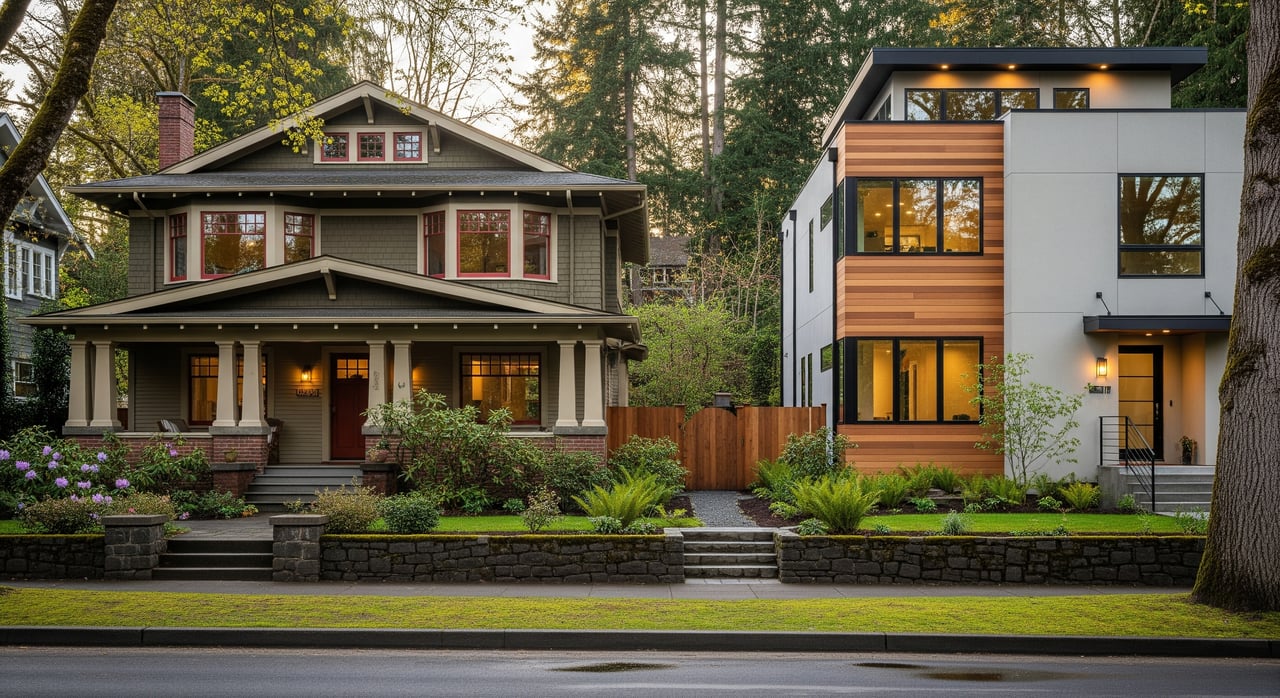
Touring Southwest Portland and torn between a sleek new build and the character of a vintage home? You’re not alone. In SW, tree‑lined streets, steep hills, and a rich mix of architecture give you real choices, each with tradeoffs. In this guide, you’ll learn how cost, maintenance, energy, design, resale, and local rules differ between new construction and older homes in Southwest Portland. You’ll also get practical checklists to help you move forward with confidence. Let’s dive in.
Southwest Portland at a glance
Southwest Portland blends historic inner neighborhoods with mid‑century pockets, wooded West Hills, and riverfront sections like Johns Landing. You’ll find commercial hubs such as Hillsdale and Multnomah Village, plus natural draws like Tryon Creek and Council Crest. Topography is a defining factor. Steep slopes, ravines, and a dense tree canopy shape what gets built, how stormwater is handled, and even how you access a driveway.
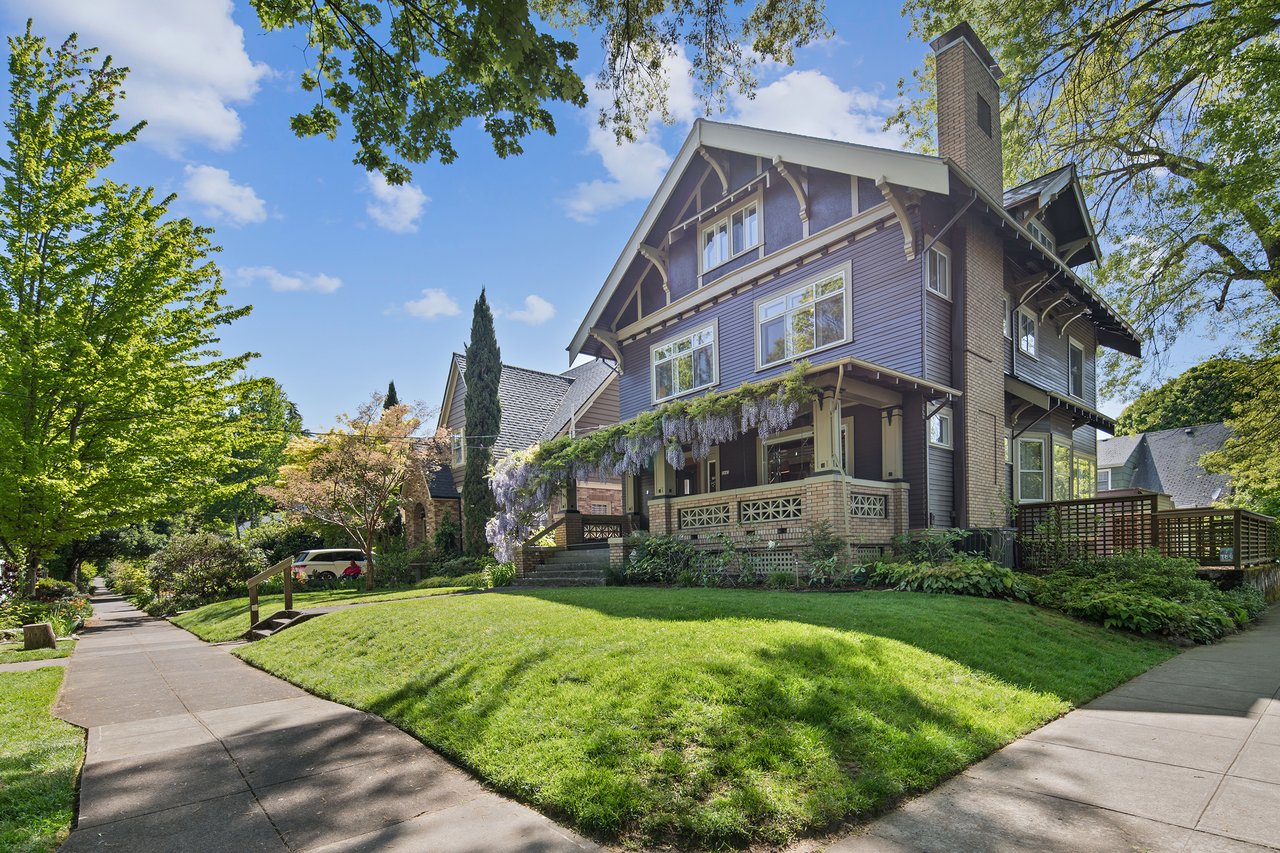
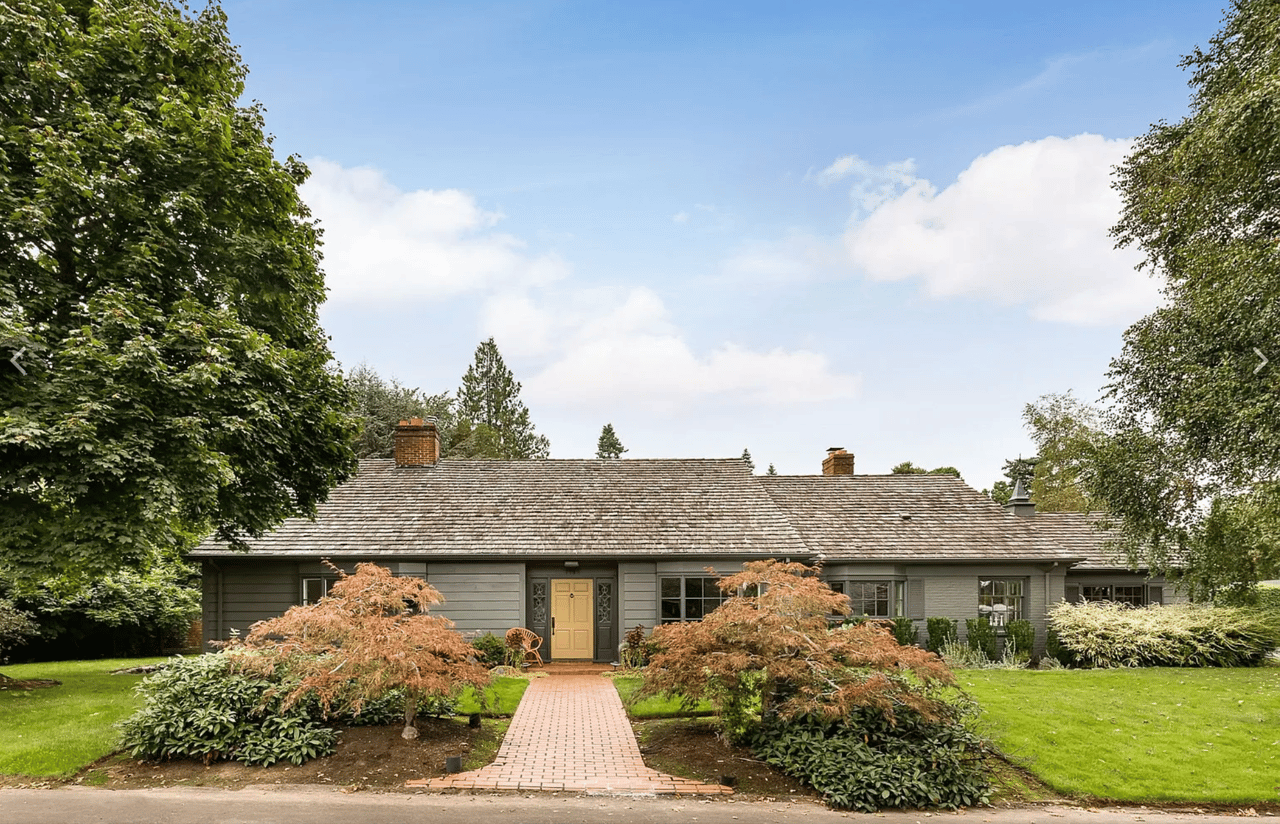
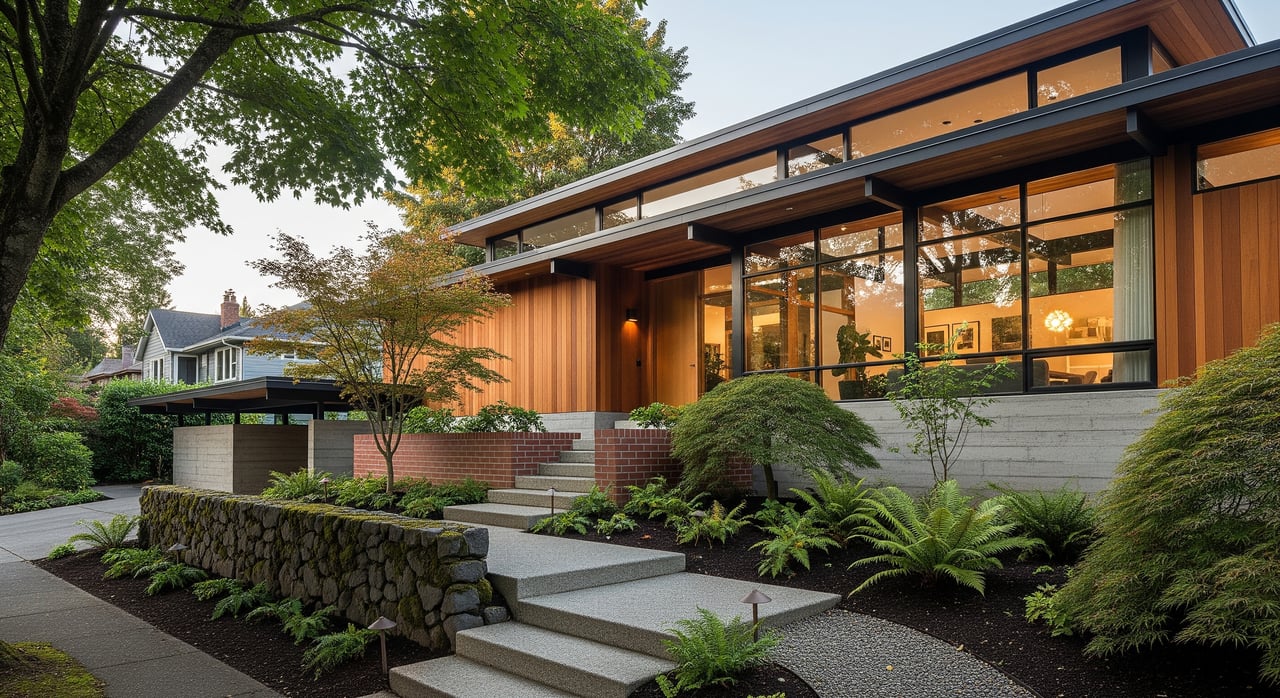
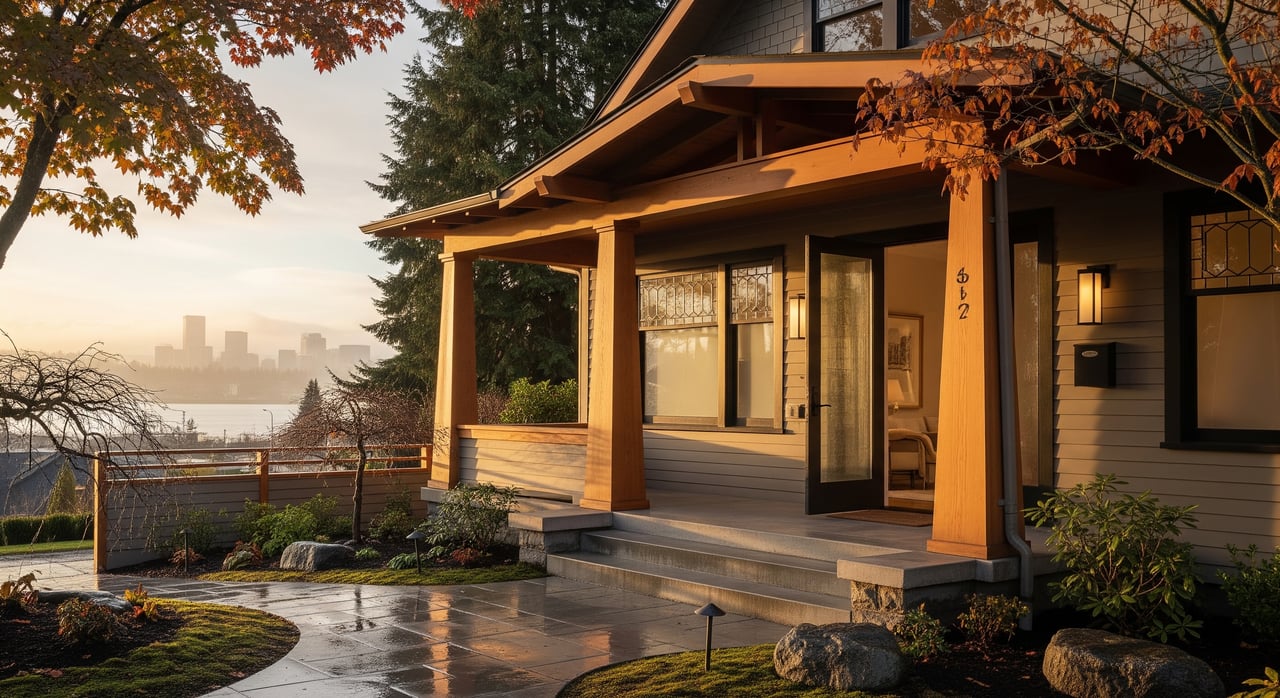
Vintage homes here often include Craftsman bungalows, Portland foursquares, and mid‑century ranches. New construction shows up as infill on existing lots, teardowns that become modern replacements, and more small‑scale “middle housing” like duplexes, triplexes, and rowhouses as zoning now allows more of these forms.
Cost: upfront price and long‑term spend
New builds in SW Portland tend to command higher purchase prices, especially when modern finishes, open layouts, and engineered site work are part of the package. You usually get lower near‑term maintenance and predictable systems under warranty, which helps stabilize the first few years of ownership.
Vintage homes can trade at a lower entry price, though this varies by neighborhood and lot. Many sit on established streets with mature landscaping and, in some pockets, larger lots. The catch is capital planning. Roofs, windows, plumbing, electrical, and drainage can require near‑term spending, especially on sloped sites where foundations and hillside stabilization might need attention.
Maintenance and hidden risks on hills
Southwest Portland’s terrain rewards careful due diligence. For older homes, pay close attention to foundations and drainage on sloped lots, potential landslide hazards, and tree‑related impacts such as root intrusion and moss or rot in shaded areas. Common legacy systems include galvanized or cast‑iron plumbing, knob‑and‑tube or aluminum wiring, and single‑pane windows. Pre‑1978 paint can contain lead, and older materials may contain asbestos.
New construction avoids many of those issues at the start. Still, tight or steep lots often require engineered foundations, retaining walls, and stormwater solutions. Those measures add cost and complexity and can drive extended permitting. In short, the land beneath the house matters as much as the house itself.
Energy and everyday comfort
New homes must meet current energy code. You’ll often see better insulation, heat pumps or efficient HVAC, high‑performance windows, and tankless or heat‑pump water heaters. Operating costs can be lower and comfort more consistent.
Older homes offer strong upgrade potential. Air sealing, insulation, and heat‑pump retrofits can deliver high returns on comfort and utility savings. Local and statewide incentive programs frequently support both retrofits and new high‑efficiency homes. The Energy Trust of Oregon is a common resource, and federal or state tax credits may be available depending on timing.
Design, layout, and livability
If you value open plans, large primary suites, integrated garages, and modern accessibility features, new construction tends to deliver. Builders often integrate today’s technology infrastructure, which future‑proofs your home’s connectivity.
Vintage homes win on architectural character. Built‑ins, original millwork, and mature landscaping create a distinct sense of place. Many older homes lean toward smaller rooms and more formal layouts, which some buyers love and others choose to rework. Be realistic about the cost and scope of adapting vintage spaces to a modern lifestyle.
Resale and marketability
Resale in SW Portland starts with location and lot. Well‑located vintage homes in walkable, amenity‑rich areas remain competitive, especially when major systems are updated. New infill that respects neighborhood scale and preserves trees often sells well too. Current buyer preferences favor energy efficiency and updated kitchens and baths, so homes that meet those expectations usually have an edge.
Supply is constrained in many SW pockets due to tree preservation and topography. That can support values for both well‑kept vintage homes and thoughtful new builds.
Local rules that shape your options
- Middle housing: Oregon’s HB 2001 and the City of Portland’s implementation expanded allowances for duplexes, triplexes, fourplexes, and cottage clusters in many residential zones. Height, setbacks, and lot coverage still apply, and some overlays add restrictions.
- Historic resources: Landmarked properties and historic districts require additional review for exterior changes or demolitions. Expect extended timelines and design parameters if your home or block is designated.
- Tree code and canopy: Portland’s tree protections influence what can be removed and how it must be mitigated. In the West Hills, tree preservation often affects feasibility and design of new homes or additions.
- Geologic and stormwater overlays: Steep slopes, landslide‑prone areas, and riparian corridors trigger geotechnical reports and engineered solutions for foundations and on‑site stormwater management. These requirements can reshape site plans and budgets.
- Permits and timelines: The Bureau of Development Services coordinates building permits, with possible add‑ons for tree removal, grading, stormwater, and right‑of‑way work. Historic or design review and conditional uses can add months. Early consultations help.
- Taxes: In Multnomah County, significant new construction or additions generally increase assessed value and property taxes. While Oregon limits annual assessed value growth, new improvements are typically reassessed.
Rules and incentives change over time. If you are targeting a property with overlays or historic status, plan for added review and consult a local professional early.
Financing, inspections, and insurance
Financing paths differ by home type. For production new builds, the builder often carries construction financing until closing. Custom or owner‑builder projects usually use construction or construction‑to‑perm loans, which require plans, specs, and contingencies.
For vintage homes, a standard conventional mortgage is common. If you are planning improvements, renovation products such as FHA 203(k) or Fannie Mae HomeStyle can wrap purchase and upgrades together. Major deferred maintenance can affect appraisals and loan conditions, so schedule inspections early.
Insurance reflects age, systems, and site risk. Older homes can see higher premiums if wiring or plumbing is outdated or if the lot lies in a hazard zone. Earthquake coverage is optional in Oregon and often recommended. Seismic retrofits can improve insurability and may influence premiums. Newer homes usually qualify for replacement‑cost coverage more easily, though slope and tree risk still matter.
Quick checklists to move forward
If you’re buying a vintage home
- Ask for: roof, furnace, water heater, electrical panel age; plumbing type; dates and permits for major renovations; any known drainage, foundation, or tree issues.
- Order inspections: full home, sewer scope, and specialty as needed, including pest, lead and asbestos testing, and geotechnical on slopes.
- Negotiate: price or credits for known defects, seller repairs, and extra time for contractor bids if major work is likely.
If you’re buying new construction
- Ask for: detailed specs and allowances, warranty scope and duration, what’s standard versus upgrade, permit history, and builder references.
- Due diligence: independent inspections at key stages, review HOA or covenants, confirm stormwater and tree mitigation, and check for easements or right‑of‑way work.
- Negotiate: targeted upgrades, realistic timelines, and remedies for delays or defects.
If you’re selling or debating renovate vs sell
- Focus on ROI: kitchen and bath refreshes, paint, landscaping, and system updates often outperform full-scale overhauls on cost versus value.
- Know your buyer pool: some SW enclaves attract buyers who prize character and will invest, others lean toward move‑in‑ready and energy‑efficient homes.
- Consider a pre‑listing inspection: reducing surprise issues helps protect your price and timeline.
New vs. vintage: how to choose in SW Portland
There is no universal “best,” only the best match for your budget, lifestyle, and risk tolerance. If you want low maintenance and top energy performance out of the box, new construction may fit. If you value craftsmanship, mature landscapes, and location on an established street, a vintage home can be a smart move, especially if you plan for upgrades.
Your decision should account for the lot and overlays, the true cost of near‑term improvements, and how you plan to use the home. A clear comparison of purchase price plus foreseeable capital needs will bring the right answer into focus.
How Portland Modern helps you decide
At Portland Modern, we pair deep neighborhood knowledge with design literacy, so you see both the numbers and the nuances. For sellers, our public 2 percent listing fee delivers premium presentation, polished storytelling, and transparent economics. For buyers, we filter options by architecture, site conditions, permitting realities, and long‑term costs, then negotiate with clarity. And if you are an owner or investor who needs continuity, our integrated property‑management arm, Portland Modern Rentals, keeps the asset performing until the timing is right to sell.
Curious which path fits your SW Portland goals? Reach out to Lance Marrs for a candid, local read on your options.
FAQs
What are the biggest hidden costs with vintage homes in Southwest Portland?
- Foundation and drainage fixes on sloped lots, electrical and plumbing upgrades, window and insulation improvements, and potential lead or asbestos remediation.
How do middle‑housing rules affect new construction options in SW Portland?
- Expanded allowances for duplexes, triplexes, fourplexes, and cottage clusters increase infill potential, but setbacks, height, lot coverage, and overlays still govern what is possible.
Do historic designations prevent remodels on older homes?
- They trigger review for exterior changes or demolitions, which can shape design and extend timelines, while interior changes are often less restricted.
Are teardowns common in Southwest Portland?
- Yes where lot size and zoning allow, but tree protections, slope conditions, and neighborhood overlays can limit feasibility or add cost and time.
How do insurance considerations differ between new and vintage homes?
- Older homes may have higher premiums if systems are outdated or the site is in a hazard zone; newer homes usually qualify more easily, but slope and tree risk still influence coverage.